
Murcia is an interesting and captivating Spanish city yet undiscovered by many. It’s often overlooked in favor of nearby more popular coastal cities like Alicante, Cartagena, or Almeria – and it definitely shouldn’t be! The city has a lot to offer for all travelers and can be a perfect, quiet getaway from bustling tourist destinations on the coast. Stay with us and discover the best things to do in Murcia, one of the most underrated cities in Southern Spain.

This website uses affiliate links thanks to which we may earn a commission for purchases you made at no additional cost to you. If you like the content, consider using those links to support us. Thank you!
Murcia, Spain FAQ
Murcia is located in the Region of Murcia in southern Spain, and it’s the region’s capital. The city sits on the banks of the Segura River.
Murcia City is best known for its old town full of historic buildings featuring incredible architecture and many charming streets and squares. It’s also known for its delicious regional cuisine, rich traditions like Burial of the Sardine or Semana Santa celebrations, and many green spaces perfect for relaxing along the Segura River.
Yes, Murcia is a city definitely worth visiting. In our opinion, it’s one of the most beautiful places in the Region of Murcia. It’s a perfect destination for those looking for a quieter place with many things to do. Also, it’s a cheaper destination compared to other big nearby cities like Alicante or Malaga.
No, Murcia doesn’t have a beach. The closest ones are located about 50km away.

Our travel video from Murcia
Things to do in Murcia, Spain
Plaza del Cardenal Belluga
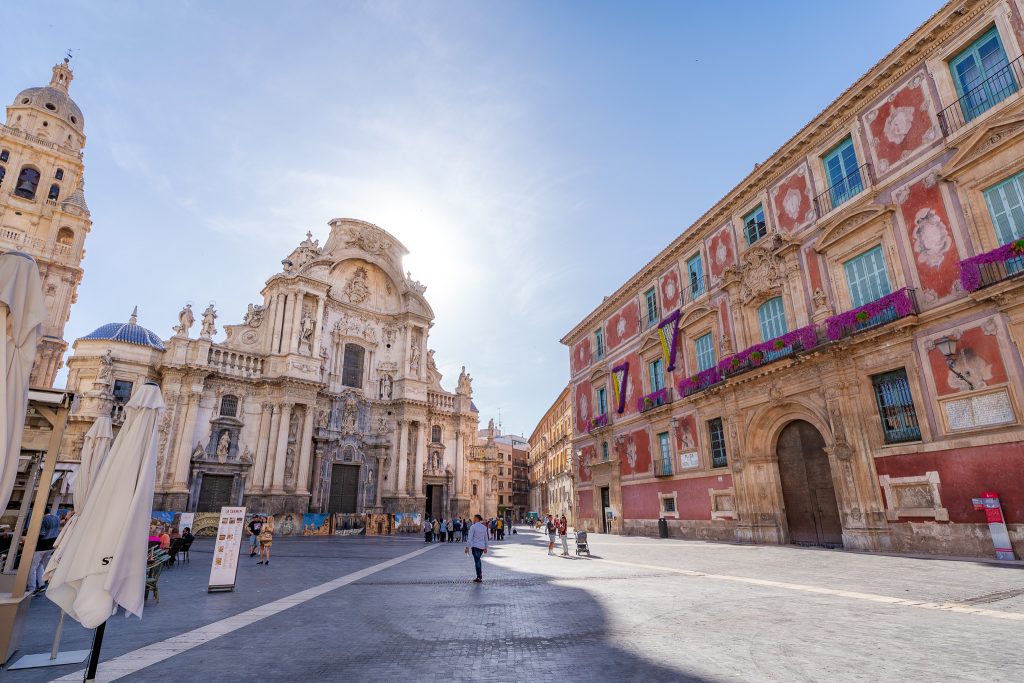
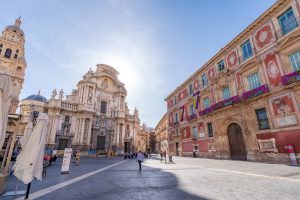
One of the best things to do in Murcia is to visit Plaza del Cardenal Belluga square, also known as Plaza de la Catedral. It’s a lively pedestrian-only square located in Murcia’s old town. It features two best-known Murcia attractions – the 14th-century Cathedral and the 18th-century Episcopal Palace.
There you’ll also find a City Hall, Murcia Tourist Office, as well as many modernist buildings, restaurants, and cafes. It’s a perfect place to stay for a moment, chill, and watch the world go by. Plaza del Cardenal Belluga is also a place where many city events take place.

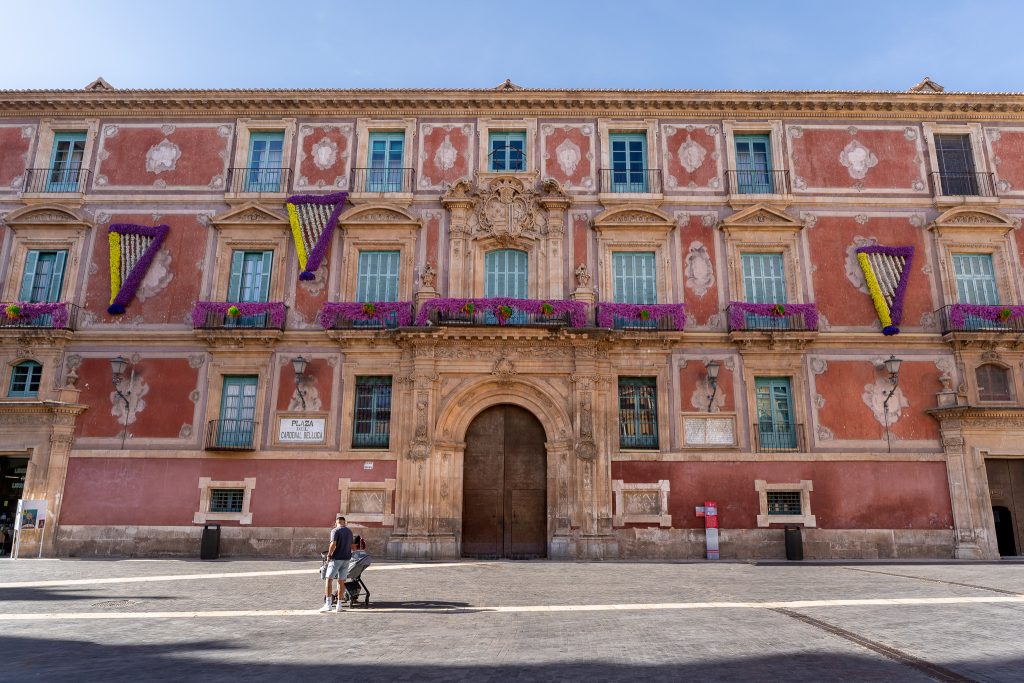
Episcopal Palace
Episcopal Palace (es. Palacio Episcopal) is a unique-looking building that serves as the official headquarters of the Diocese of Cartagena. It was built in the 18th century in Rococo style and is one of the most important buildings of monumental heritage in Murcia City, declared a Cultural Heritage Site in 1992.
Inside, you can admire the imperial staircase, the courtyard, and a small chapel with a circular plan and rococo style that is open 24 hours. Entrance to Episcopal Palace is free during opening hours.
Murcia Cathedral
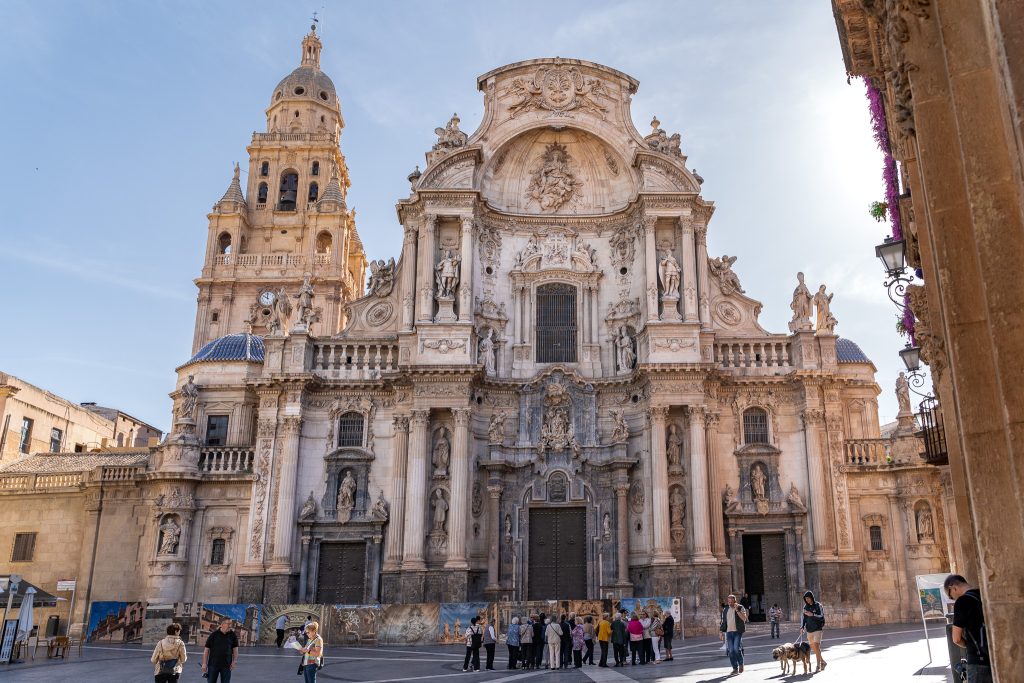
Murcia Cathedral is one of the most famous city landmarks, located on Plaza del Cardenal Belluga. It was built on the site of the former Great Mosque, between 1394 and 1465. An impressive bell tower was added a bit later, between 1521-1791. Thanks to that, in Murcia Cathedral you can admire a mix of architectural styles like Baroque, Gothic, or Renaissance.
From the square in front of the Murcia Cathedral, you can admire its majestic facade with large columns and sculptures of saints, archangels, and the Virgin Mary. Also, take a good look at the 90m tall bell tower, the third tallest bell tower in Spain. Also, you can climb it up to enjoy one of the best views over Murcia. Inside, you can explore numerous chapels and see the tomb of King Alfonso X. You can also visit the Cathedral Museum to see the collection of religious art from the 14th and 15th centuries. Exploring the Cathedral is definitely one of the best things to do in Murcia City, don’t miss it.
Entrance to Murcia Cathedral costs €5 for a normal ticket and €4 for a reduced one (July 2026). There are also additional tickets to the museum and bell tower available for an additional price but you can also buy combined tickets if you want. For current prices and opening hours please visit the catedralmurcia.org website.
Murcia Old Town Streets
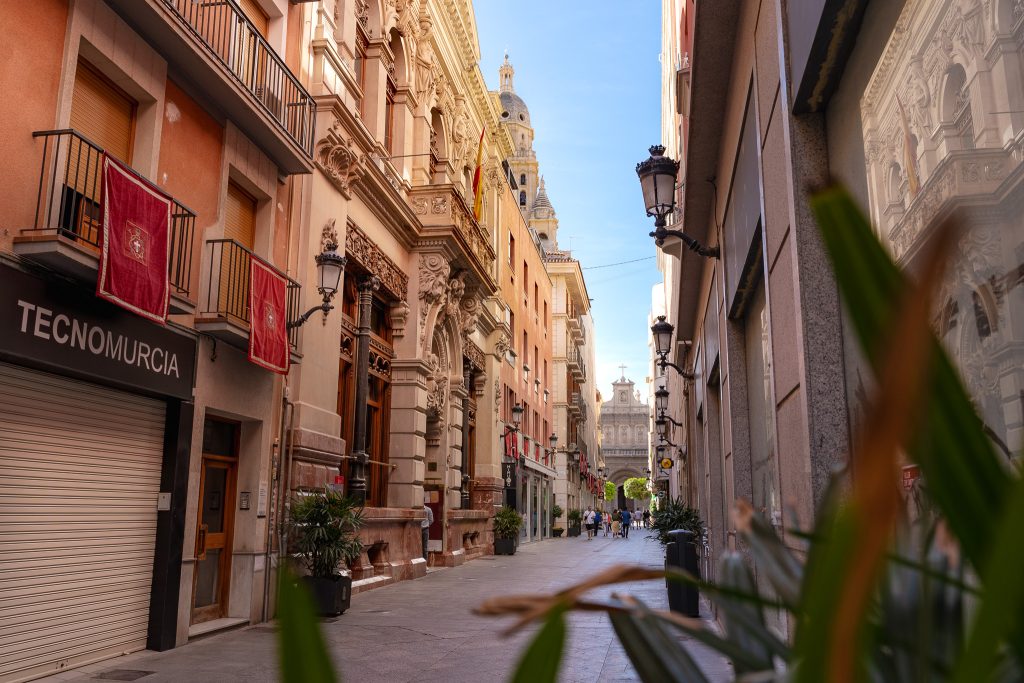
Can there be a better thing to do in Murcia City than getting lost in the labyrinth of its charming old town streets and squares? Probably not! In addition to the already mentioned Plaza del Cardenal Belluga square, direct your steps to Traperia and Plateria streets. Those are the two most popular and busy city streets, located very close to the Cathedral. There you’ll have plenty of opportunities to do some shopping and taste local cuisine.
Also, be sure to visit three popular squares: Plaza de las Flores, Glorieta de España, and Plaza Santo Domingo. We’ll take a closer look at a few of them below.

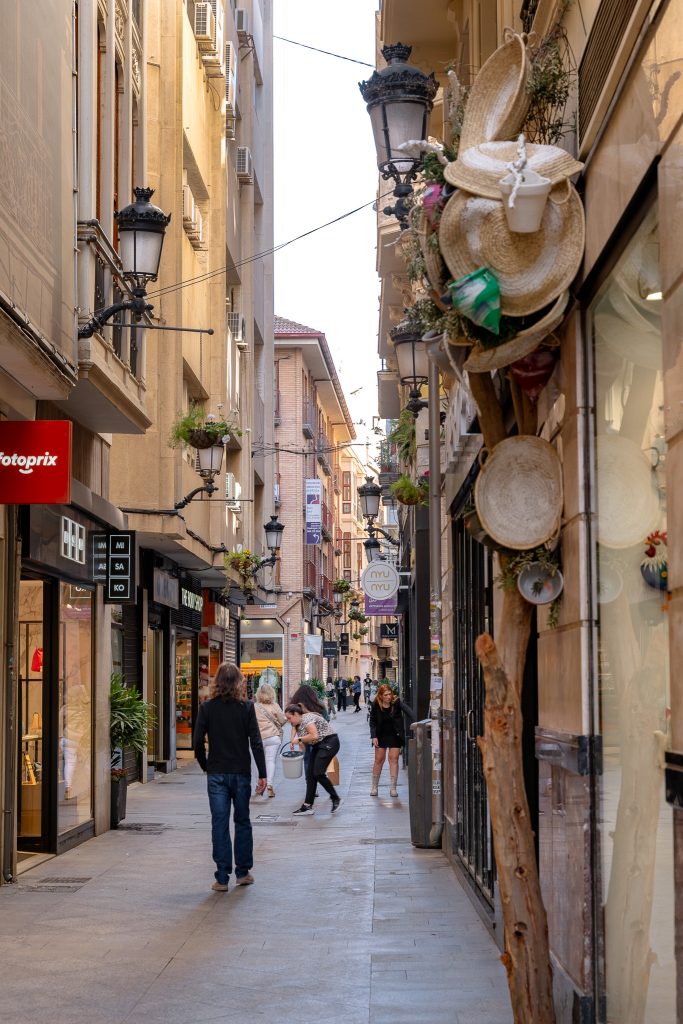
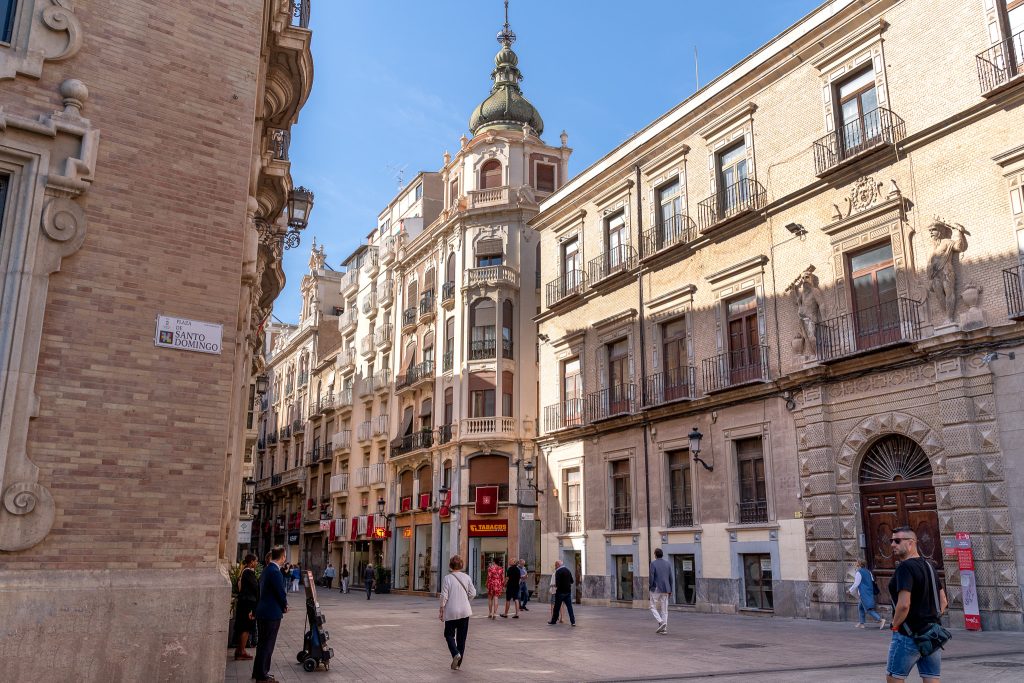
Real Casino de Murcia
Real Casino de Murcia is a famous city landmark that is located on Trapería Street. Behind the beautiful facade of the 19th-century building hides… a private gentleman’s club from 1847. Nowadays, it still serves that purpose, but its ground floor also serves as a culture center and hosts many events.
You can visit some parts of Real Casino de Murcia, like the courtyard, library, dining room, or ballroom. Entrance tickets cost €5 for adults and €3 for students, and retirees (July 2026). For current prices and opening hours please visit realcasinomurcia.com website.
Plaza de las Flores
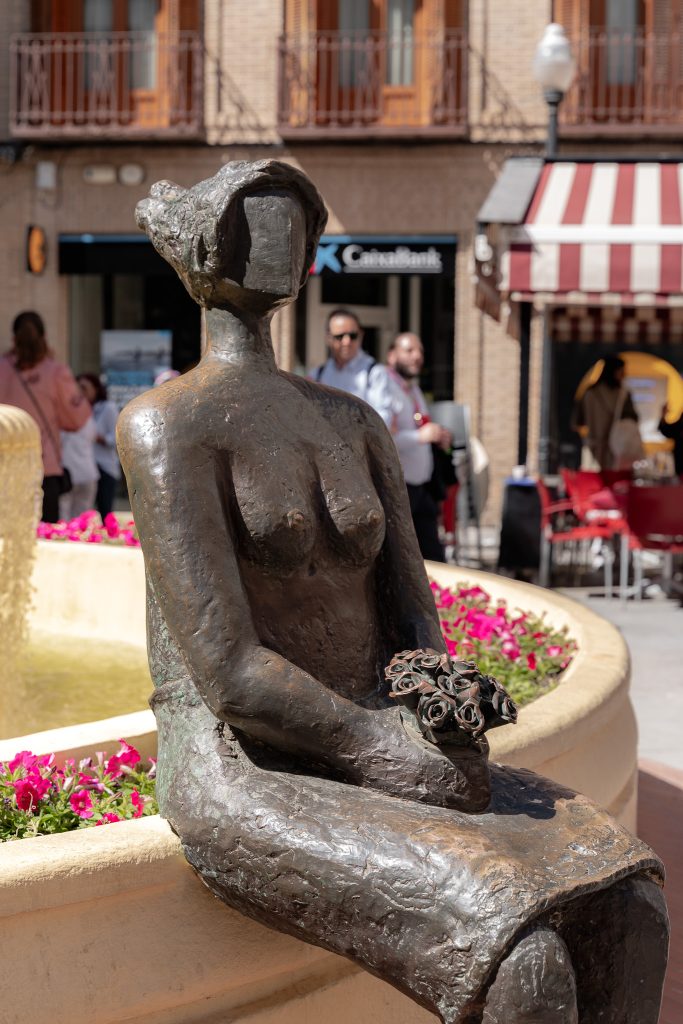
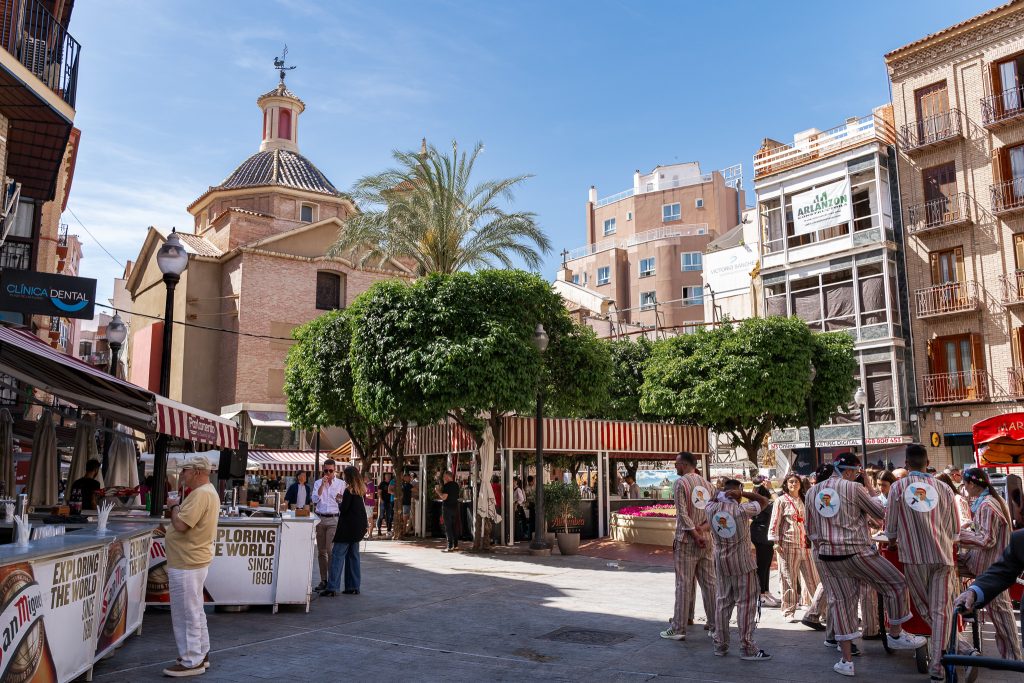
Plaza de las Flores is a beautiful and lively square in Murcia old town, just a few steps from Murcia Cathedral. It got its name from many florists that are still in business there today. While there, admire late-19th and early-20th century buildings, a fountain with La Niña con las Flores sculpture, and San Pedro church.
There, you’ll also find numerous restaurants, tapas bars and cafes in which you can sit for a moment and rest. Definitely one of the most relaxing things to do in Murcia City.

Floridablanca Garden
Another great thing to do in Murcia City is visit the small but very beautiful Floridablanca Garden, located on the other side of the Segura River. The most interesting fact about it is that… it is the first public garden in Spain! It was opened in the mid-19th century and during hot summer days, it’s a great shelter, thanks to huge ficus trees that were planted in the 18th century!
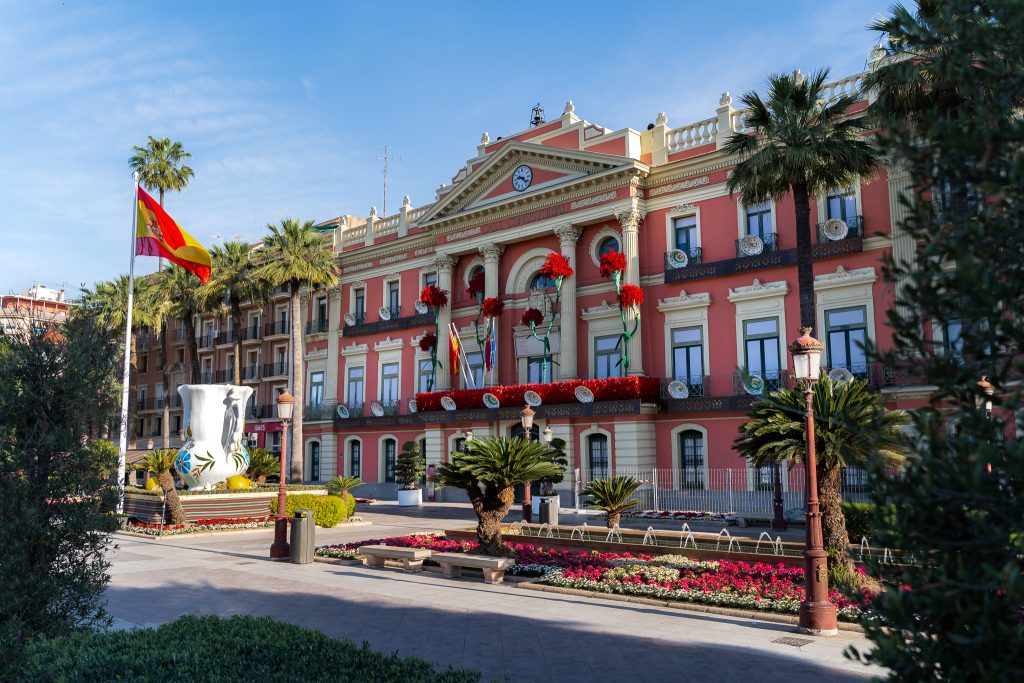
Glorieta de Espana
Glorieta de España is another beautiful riverside square/garden in Murcia, dating back to the 18th century. It’s located right behind Episcopal Palace on the banks of the Segura River. Fountain, flowers, statues, and benches create a great place for relaxation. The square is also home to Murcia Town Hall.
Paseo del Malecon & Puente de los Peligros
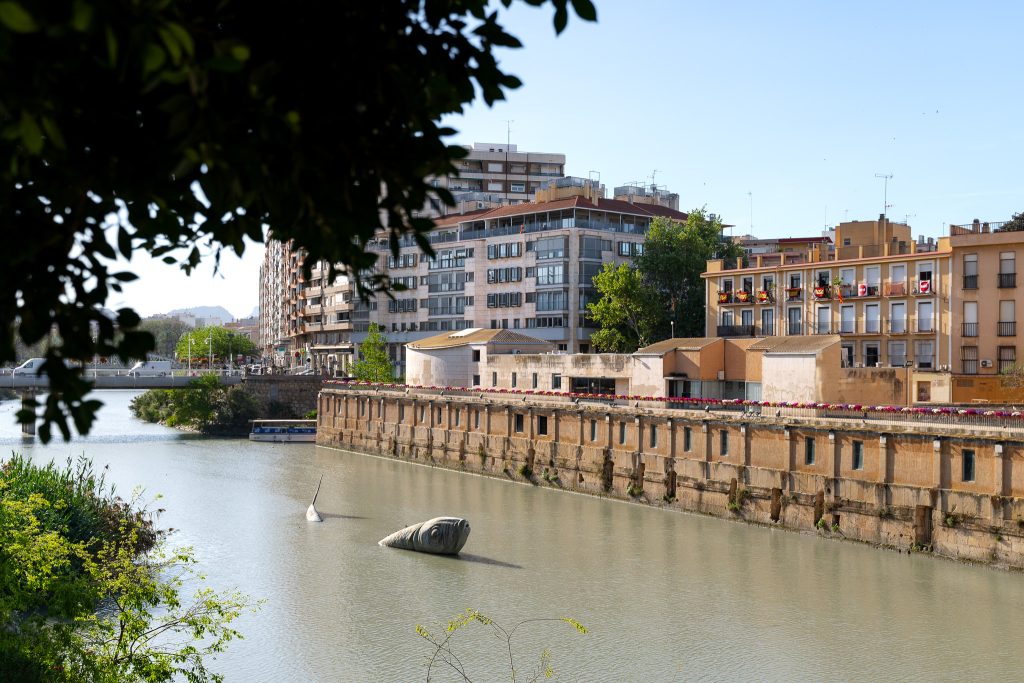
While in Murcia, don’t forget to take a slow and peaceful walk along Paseo del Malecón. It’s a nice promenade on the Segura River banks, where you’ll find a few gardens and parks. Perfect place to appreciate nature and to rest a bit.
There, you’ll also find the oldest bridge in Murcia – the 18th-century two-arch Puente de los Peligros (eng. Bridge Of Dangers). It connects the El Carmen neighborhood with the historic center. Near the bridge, search for a huge fish sculpture, coming out of the water!
Mercado de Veronicas
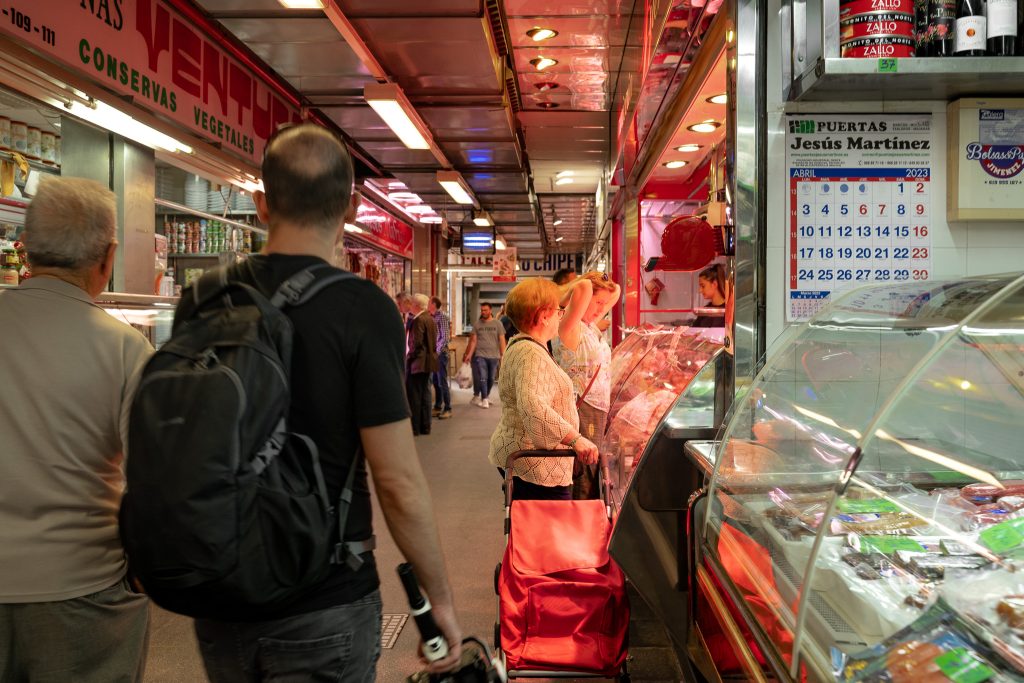
Now it’s time for one of the most delicious things to do in Murcia city – visit to Mercado de Veronicas food market! It’s located in a 20th-century building that, from the outside looks a bit more like a railway station than a place where you’ll buy delicious food. Inside, you’ll find things like fresh fruits, vegetables, fish, meat, or pastries.
Discover more amazing places in Region of Murcia 🤩
Monteagudo Castle
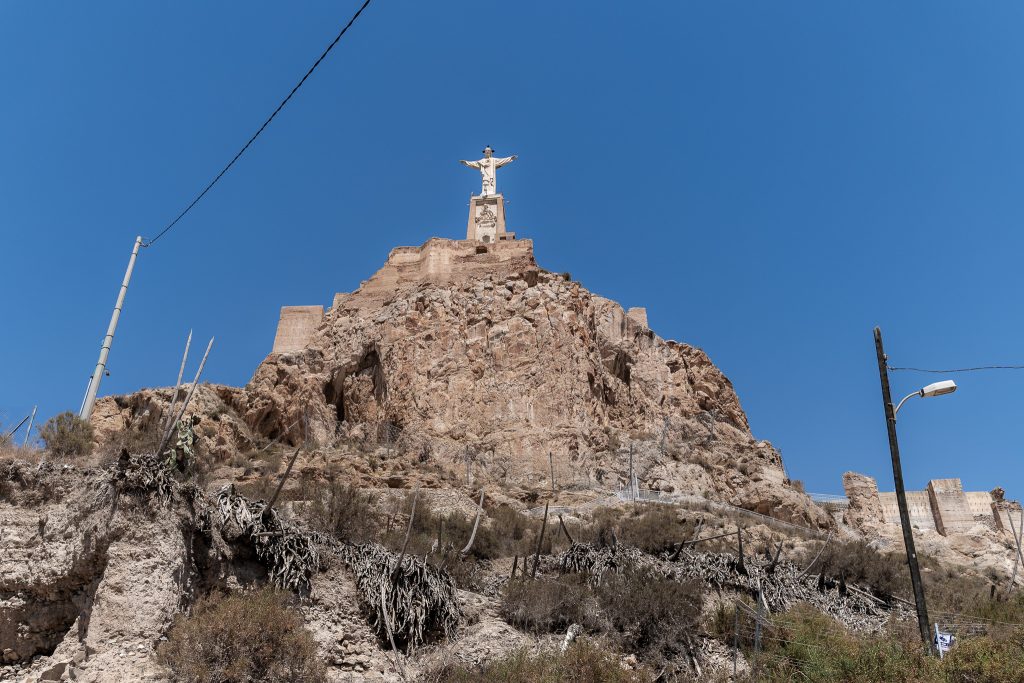
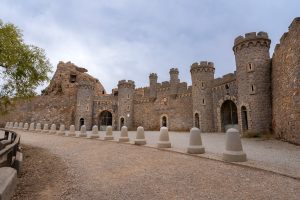
About 8 km outside of the Murcia old town, you’ll find ruins of the 11th century Monteagudo Castle. It sits on the top of the lonely high hill, at an altitude of 149m a.s.l, and is crowned by a 14m high Christ sculpture. View that can’t be missed and can be admired from many neighboring areas.
Up until the 16th century the castle maintained its strategic importance but after that, it fell into decline. The enormous statue of Christ was added in 1926 and destroyed during the Spanish Civil War in 1936. What we can see today is a replica, placed there in 1951.
Unfortunately, Monteagudo Castle can’t be visited. What you can do is visit the Monteagudo Interpretation Center, at the foot of the castle. The center offers a tour explaining the 5000 years of history of the inhabitants of Monteagudo. Reservation is required. For more information, visit turismodemurcia.es website.
Salzillo Museum
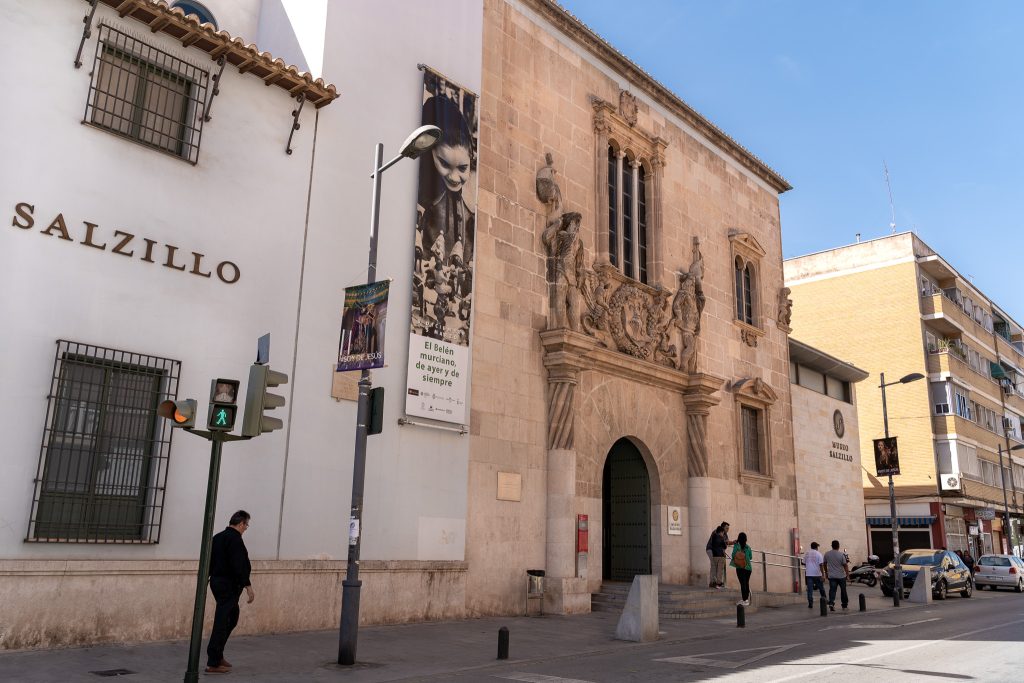
Visiting Salzillo Museum is another interesting place to visit in Murcia. It’s a place created in the 1960s as a tribute to Francisco Salzillo, a renowned 18th-century local sculptor. In the museum, you’ll be able to see and admire many religious pieces of a considerable size designed by him for Semana Santa parades.
Entrance to Salzillo Museum costs €5 for normal ticket, and €4 for a reduced one (July 2026). For current prices and opening hours visit museosalzillo.es website.
Almudi Palace
Almudi Palace is a 17th-century palace where you can see paintings and sculptures in classical and contemporary styles. The building initially was built to serve as a grain warehouse, and over the years served also as cavalry barracks and a court of justice. You can enter Almudi Palace for free.
Murcia Archaeological Museum
Murcia Archaeological Museum is one more great spot in the city for history buffs. It’s a place with permanent and temporary displays of local region discoveries from prehistory to the Bronze Age. The entrance is free. To check current opening hours visit the museosregiondemurcia.es website.
Festivals in Murcia City
Entierro de la Sardina
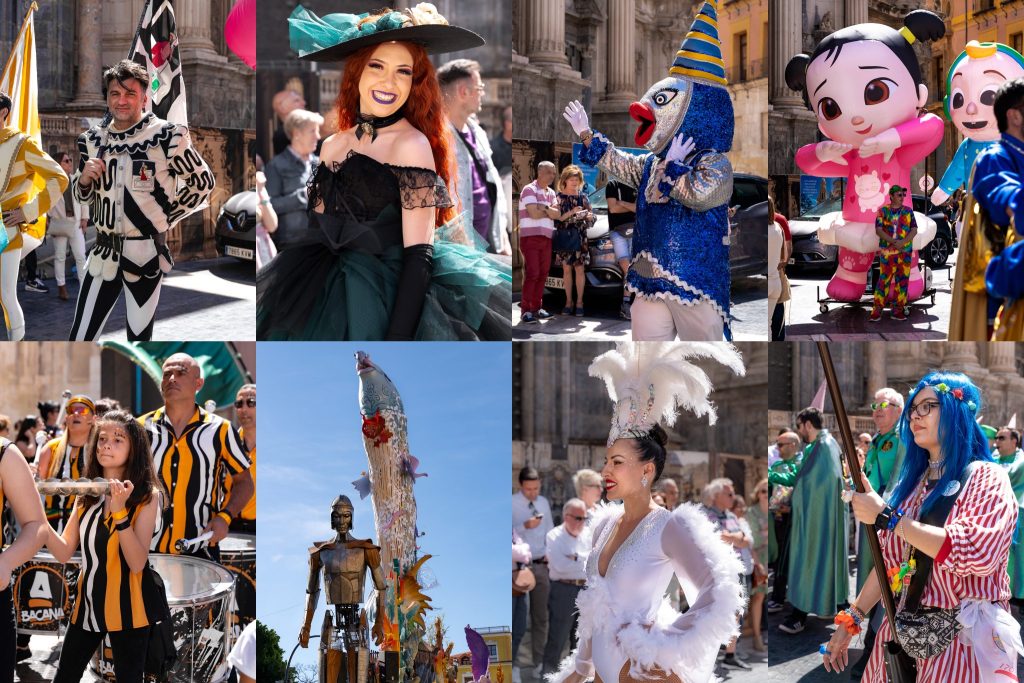
Before visiting Murcia we had no idea that we’d come across one of the most peculiar celebrations we’ve seen so far. Burial of the Sardine, or Entierro de la Sardina in Spanish, is a quirky festival that marks the end of Semana Santa. It’s the time when solemn religious processions give way to cheerful festivities and the city bursts into colors, music, and laughter. Burial of the Sardine takes place since 1851.
Celebrations start on Easter Sunday, with the arrival of the sardine to Murcia during the colorful parade when sardineros give out toys to kids. The main celebrations take place between Wednesday and Saturday, with many events and parades, and events for children. Sunday, as expected, is the most important day of the week. There’s a huge, loud, and colorful parade in the afternoon where the sardineros and Doña Sardina give out the gifts to participants.
After dark, the main event begins – Burial of the Sardine. There’s a parade again, but an even bigger one! And finally… the sardine is lit and burns at the rhythm of the sardinero anthem. Later, there’s also a fireworks display. It’s definitely one of the wildest nights in Murcia! The Burial of the Sardine has been declared a Festival of International Tourist Interest. Without a doubt, it’s one of the coolest things to do in Murcia City!
Semana Santa
Spain’s cities and towns love celebrating Semana Santa, and Murcia City hasn’t fallen behind. As Easter approaches, the city transforms into a captivating spectacle of religious processions, heartfelt music, and elaborate floats adorned with exquisite sculptures.
Take part in famous religious processions like Los Salzillos (one with Salzillo’s sculptures carried by Christian brotherhoods) on Friday, Procession of Silence on Thursday, or the most picturesque and popular one – Los Coloraos, with more than 3000 people walking together barefoot dressed in red hooded traditional cloths.
How to get to Murcia, Spain?
Murcia is located about 50km from Cartagena, 80km from Alicante, 215km from Almeria, and 70km from La Manga. The most convenient way to get to Murcia is by car, bus, or train.
Where to park in Murcia?
If you’re traveling by car you can choose from many parking lots available in the city center. Most of them are paid. We left our car in this paid parking lot located right next to Murcia Cathedral.
Airports near Murcia
The closest airport to Murcia is located in the city itself, about 30km away from the historic center. The next one is located in Alicante, about 70km away. Both airports offer bus connections to Murcia. To learn more about connections that might interest you visit rome2rio.com website.

To Murcia by bus
You can easily reach Murcia by bus. For example, a trip from Alicante will take about 1 hour and 45 minutes from Cartagena. To learn more about bus connections that might interest you visit rome2rio.com website.
To Murcia by train
Murcia has a train station so you can get there easily by train from cities like Alicante, Cartagena or Valencia. You can check out a map of available connections on acprail.com website.
Camping Murcia
If you’re traveling by camper, places like Camper Park Casablanca or Camping Sierra Espuña might interest you. All of them are located close to Murcia.

Things to do in Murcia Spain – Summing up
Now you know what are the best things to do in Murcia. It’s a nice one, isn’t it? It’s quite a shame that it’s slightly forgotten, but we hope it’ll change over the next few years. Rich history, charming old town, colorful celebrations… There are so many great things to do in Murcia for every traveler. We hope you found our guide useful and you’ll have an amazing time in the city choosing the best attraction for yourself.
Our opinion about Murcia
For us, a visit to Murcia was a day trip from La Manga where we lived for a few weeks. We visited the city in April and during that time it was very quiet and without huge crowds. During one day we managed to visit each place we had on our list, and it took us about 5 hours (including 1.5 hours of a lively and colorful parade that we didn’t plan for).
Overall, we really liked our day in Murcia. We were really lucky that we came across Entierro de la Sardina celebrations – that will surely make us remember the city for even longer. We had so much fun! The city itself is very nice and pleasant too, with a good blend of new and old.
What surprised us most, was the fact that we saw all we wanted in only about 4 hours, so very quickly for such a big city. We knew that the historic center was compact but still didn’t expect it to be that compact. Did we recommend visiting? Yes! But if you can, try to fit your visit to Murcia City during the Burial of the Sardine events. Believe us, it’s so much fun!
Last weekend we visited Murcia & came across one of the many events that take place during Fiestas de Primavera 🌸 Had so much fun!
— Happy Little Traveler | Sonia & Wojtek (@happylittletrav) April 19, 2023
Fun fact: later that day they were burning… 20m high sardine 🔥🐟
Generally, it's a very interesting event, it's worth reading more about it 🙂 pic.twitter.com/C28ruoP5pe
Restaurants, accommodations, and map
Check out various recommended places below.
Where to eat in Murcia?
Here are your best, high-rated options in Murcia:

Thank you very much!