Bonjour! Welcome to Fontaine de Vaucluse, one of the most unique and enchanting villages in Provence. Tucked away at the foot of dramatic limestone cliffs and surrounded by lush greenery, this small village is home to one of the mysterious natural springs in the world. With its emerald-green waters, scenic riverside walks, and peaceful atmosphere, it’s the magical place that instantly makes you slow down and soak it all in.
So if you’re looking for a charming day trip in Provence, this hidden gem is absolutely worth your time. In this guide, we’ll show you everything you need to know to plan your visit – from things to do in Fontaine de Vaucluse and practical tips to our honest opinion about this beautiful place. Let’s go!
This website uses affiliate links thanks to which we may earn a commission for purchases you made at no additional cost to you. If you like the content, consider using those links to support us. Thank you!
Fontaine de Vaucluse, France FAQ
Fontaine de Vaucluse is located in the Provence-Alpes-Côte d’Azur region in southeastern France, within the Vaucluse department. It’s close to popular Provencal villages like L’Isle-sur-la-Sorgue, Gordes, or Roussillon, and only a short ride from Avignon.
Yes, Fontaine de Vaucluse is definitely worth visiting – especially if you enjoy nature, scenic villages, and peaceful spots. It’s perfect for a relaxed half-day trip, with beautiful walking paths, riverside cafes, and a unique natural attraction. It might just become one of the most enchanting places you visit in Provence!
Fontaine de Vaucluse is best known for being home to the largest spring in France and the 5th largest in the world. The village is also famous for its connection to the Italian poet Petrarch, who lived here in the 14th century and wrote some of his most renowned poems.
A half-day is usually enough to experience everything Fontaine de Vaucluse has to offer – the walk to the spring, a stroll through the village, a visit to one or two small museums, and a leisurely lunch by the river. Afterward, you can continue your trip to nearby villages like L’Isle-sur-la-Sorgue, Gordes, Roussillon, or Lacoste.
A Brief History of Fontaine de Vaucluse
The area around Fontaine de Vaucluse has been inhabited since prehistoric times, and a Roman settlement once stood where the village is today. The name “Vaucluse” comes from the Latin “Vallis Clausa” meaning “closed valley” – a perfect description of the narrow gorge that ends at the famous spring. Interestingly, it’s the village that gave its name to the entire Vaucluse department, not the other way around!
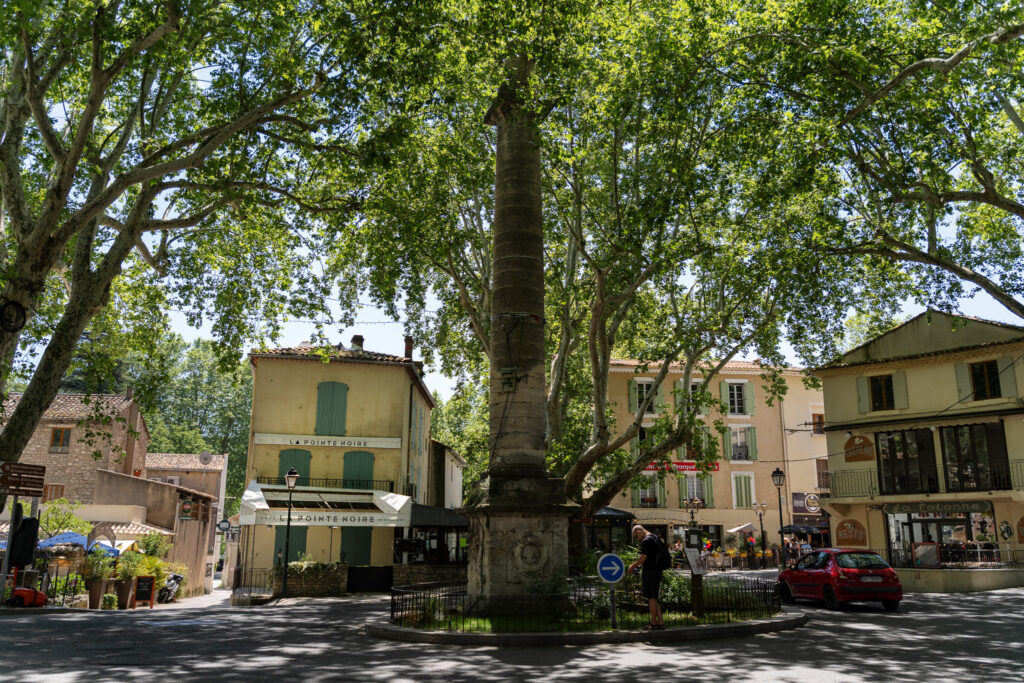
The most famous historical figure associated with Fontaine de Vaucluse is the Italian poet Francesco Petrarca. He lived here for some time in the 14th century, finding inspiration in the beauty of the valley and its mysterious spring. It was here that he wrote many of his most famous love poems. Today, you’ll find a small museum standing on the spot of Petrarch’s house, and a granite column in the village’s Place de la Colonne that was built in his honor.
The spring itself has fascinated explorers for centuries. In 1946, Jacques Cousteau attempted to explore its depths using a submersible but couldn’t find the bottom. Years later, a remote-controlled probe descended to a depth of 308 meters, where it reached a sandy bed. However, the actual source of the water lies even deeper, making it a mystery that hasn’t been solved until today.
Things to do in Fontaine de Vaucluse, France
Walk to the source of the Sorgue
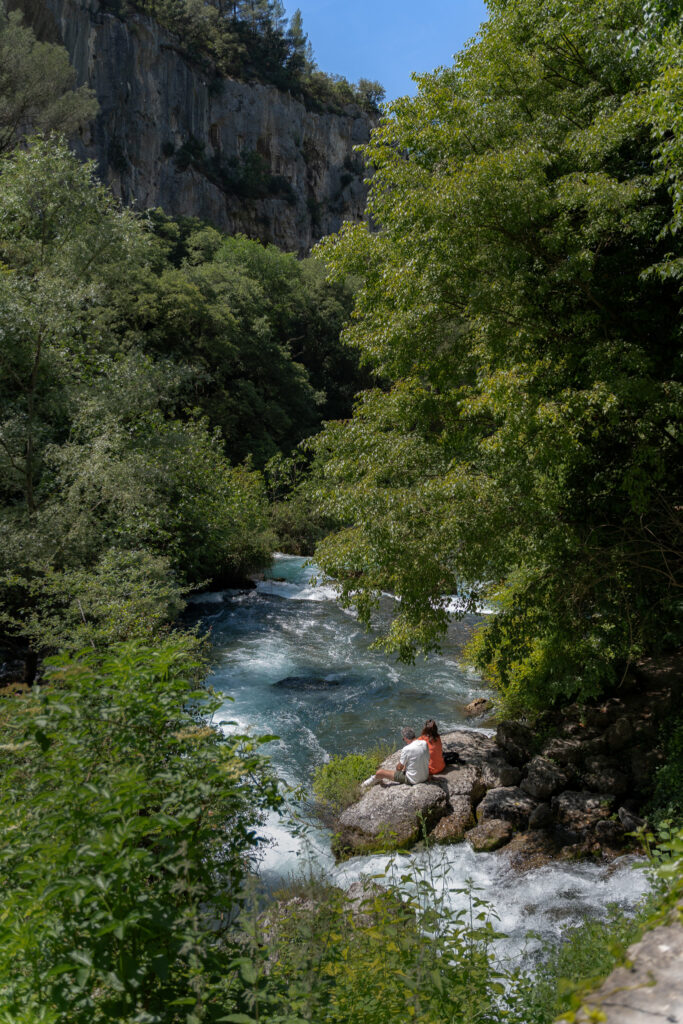
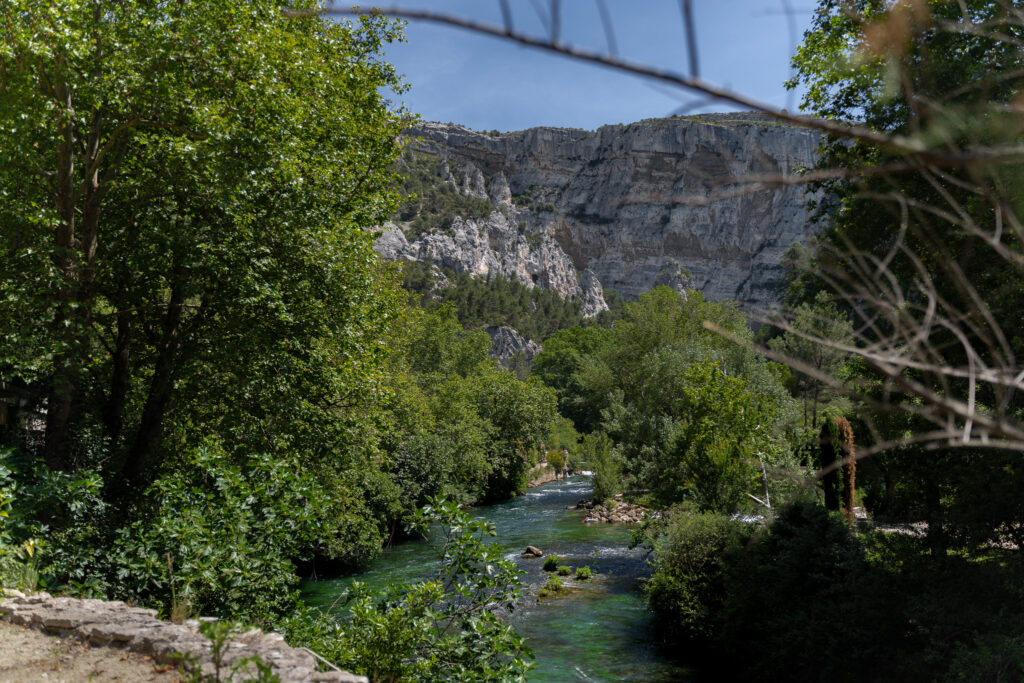
The walk to the Fontaine de Vaucluse spring is the number one thing to do here and you definitely shouldn’t miss it. Starting from Place de la Colonne in the village center, follow the Chemin de la Fontaine along the Sorgue River. The path takes about 15 minutes one way and is mostly flat, with a gentle uphill section towards the end.
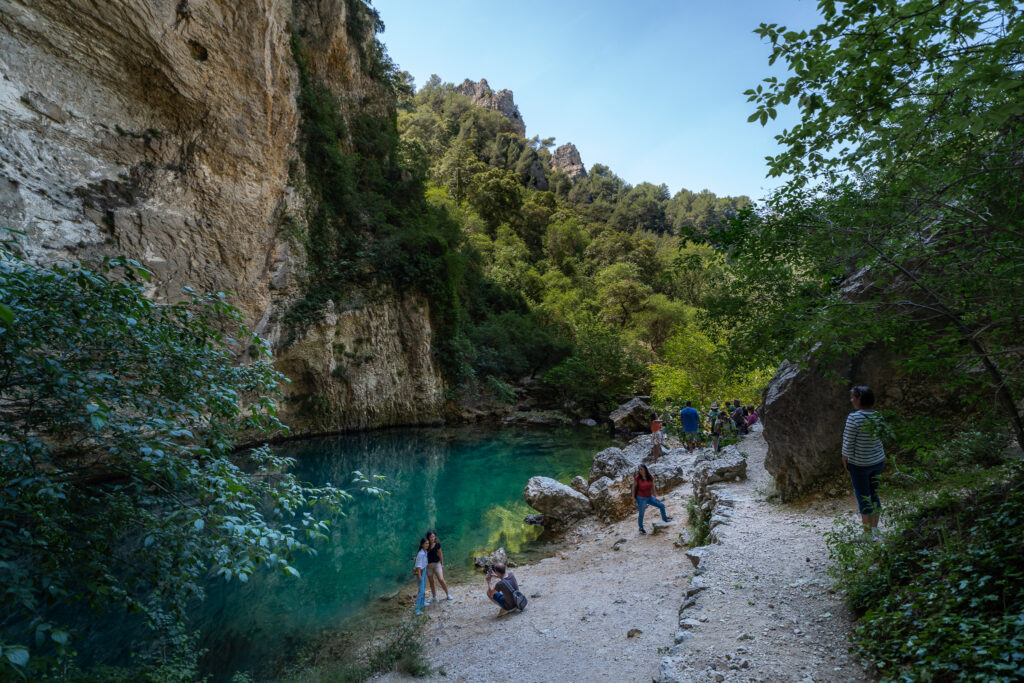
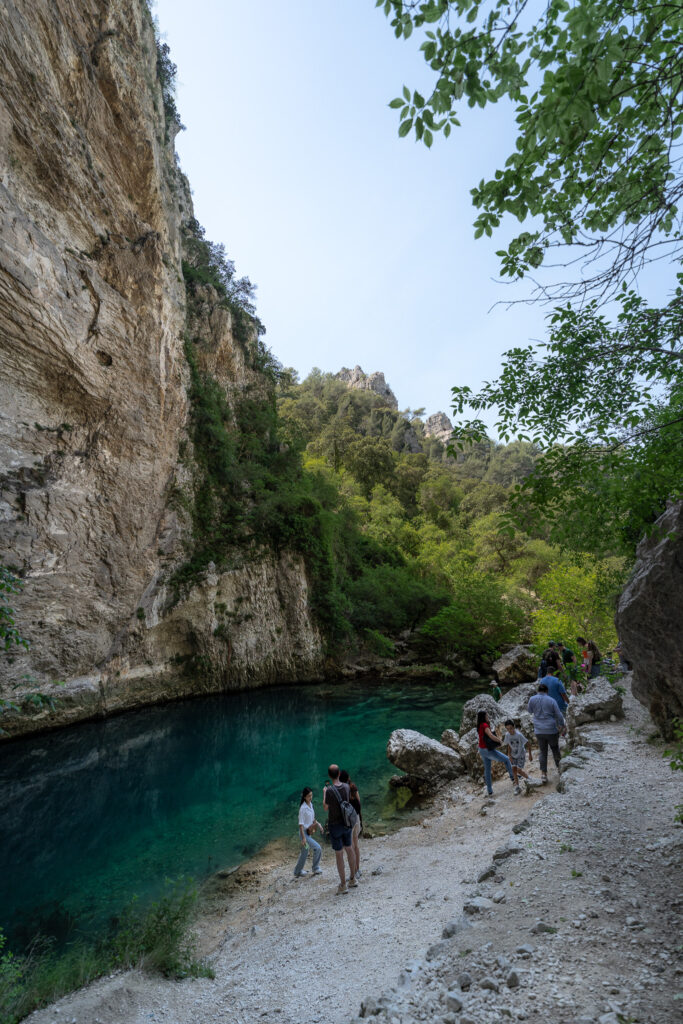
Along the first stretch, you’ll pass cafés, souvenir shops, and food stalls. It can feel a bit touristy, but don’t worry, it gets more peaceful and scenic as you continue. At the end of the path, you’ll reach the source: a deep cave at the base of a 230-meter-high cliff where the Sorgue emerges from deep underground.
What you’ll see at the spring depends on the season, as well as recent rainfall. In spring, the water can surge powerfully, creating an impressive spectacle. In summer and autumn, you’re more likely to find a calm, deep emerald-green pool.
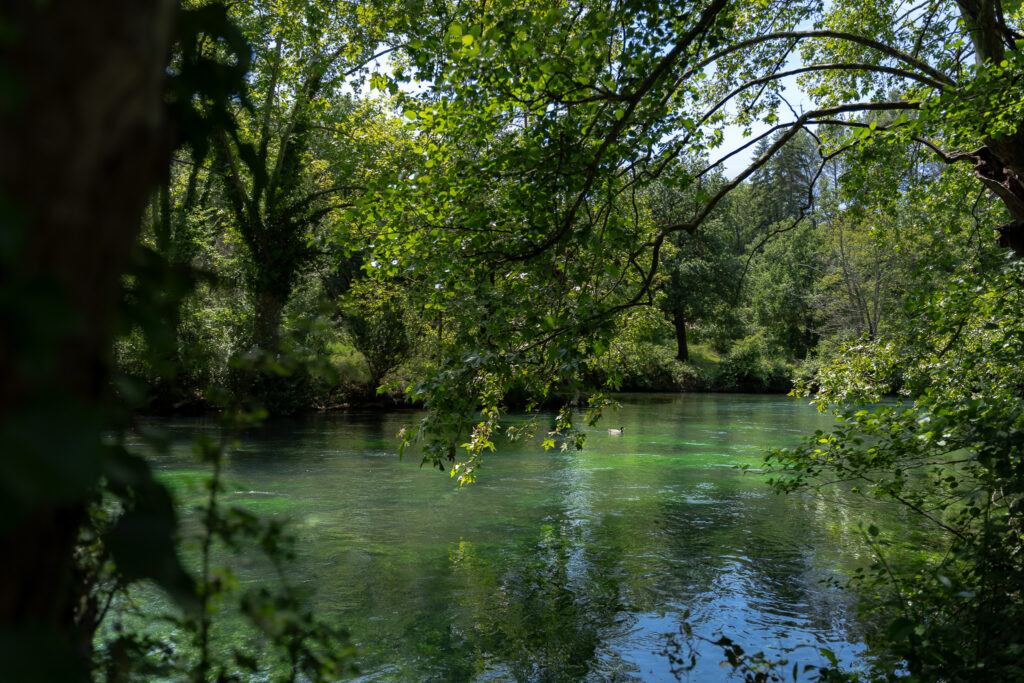
But no matter the water level, the walk itself is one of the best things to do in Fontaine de Vaucluse. With the river flowing between trees, towering cliffs above, and the soothing sound of water all around, it’s a truly special and memorable experience.
Paper Mill
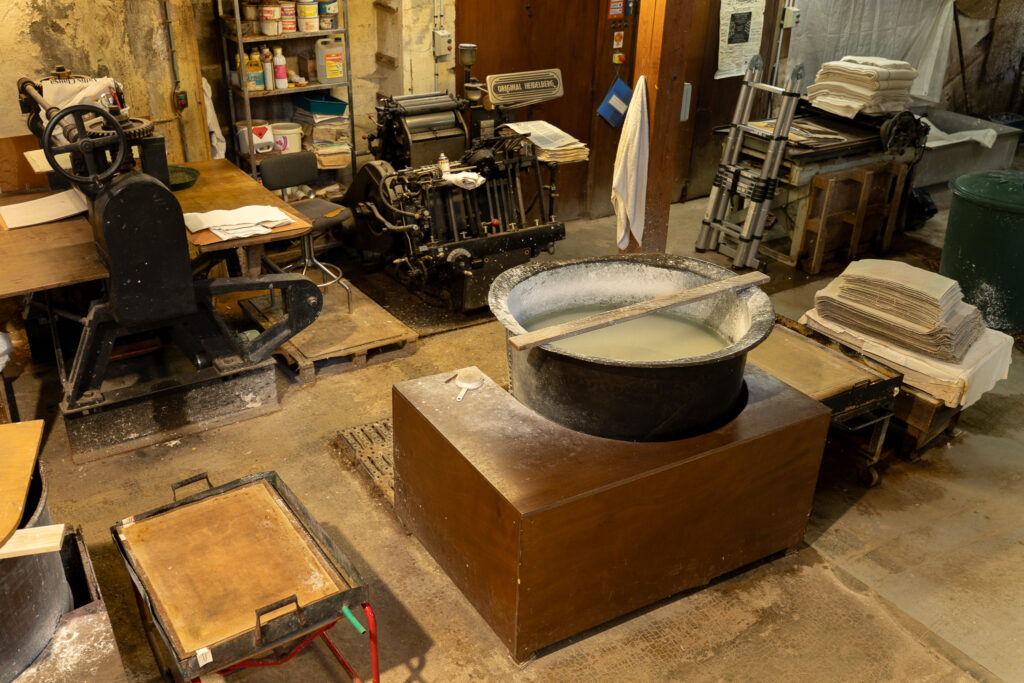
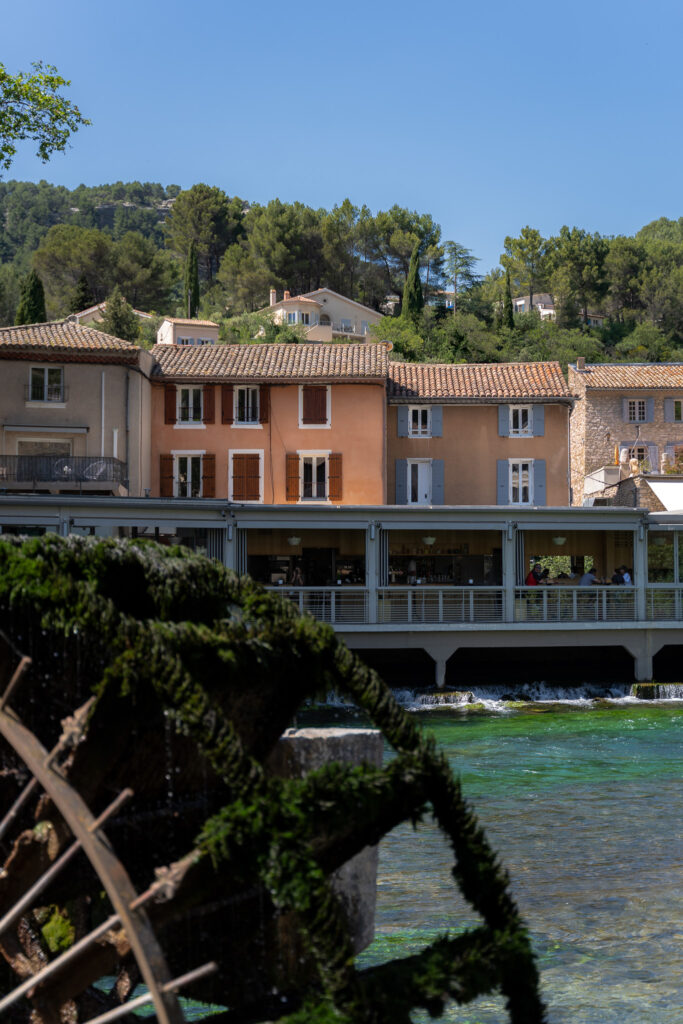
One of the most interesting stops along the walk to the spring is the working paper mill, where you can see traditional paper-making techniques in action. It offers a glimpse into how paper was produced centuries ago, using a water wheel to power large wooden mallets that pound pulp into handmade sheets.
Inside, there’s also a small shop where you can buy beautiful handmade paper, perfect for special occasions like wedding invitations or just as a unique souvenir from your visit.
Entrance to the Paper Mill is free. To check out current opening hours, visit the moulin-vallisclausa.com website.
Explore Fontaine de Vaucluse Village
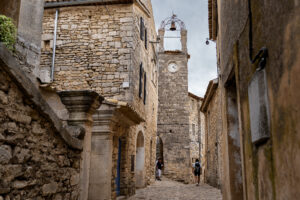
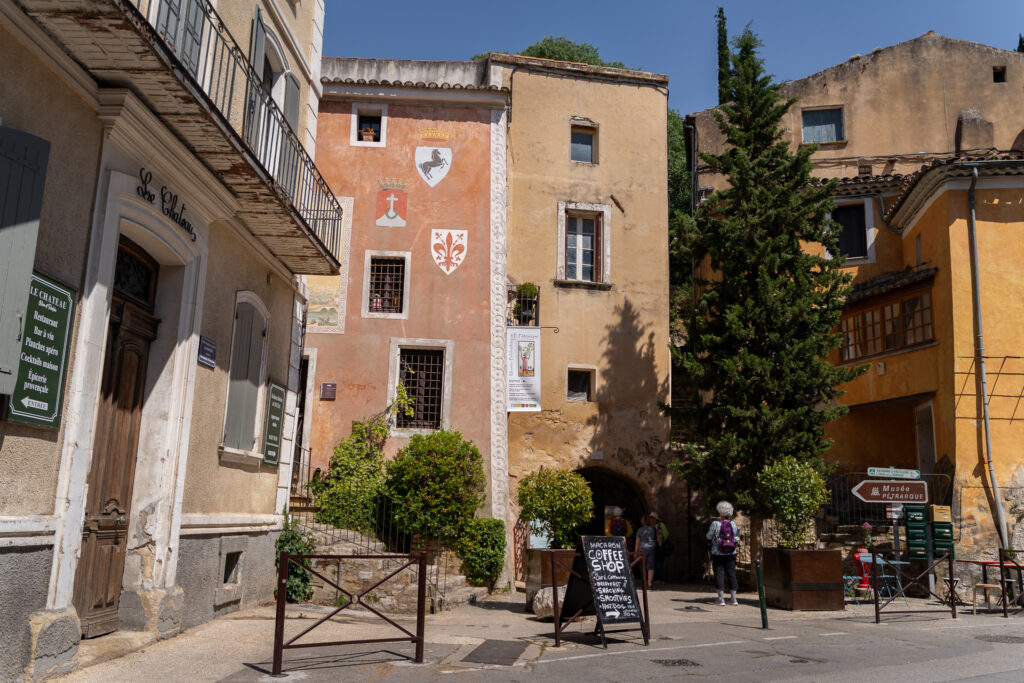
Fontaine de Vaucluse is a small village but it has plenty of charm to discover. Wander through narrow streets lined with stone houses, browse local artisan shops, and soak in the Provençal atmosphere… There’s just no better way to discover the area than by slowly wandering through its winding streets. With so many picturesque spots, strolling through the village is easily one of the best things to do in Fontaine de Vaucluse.
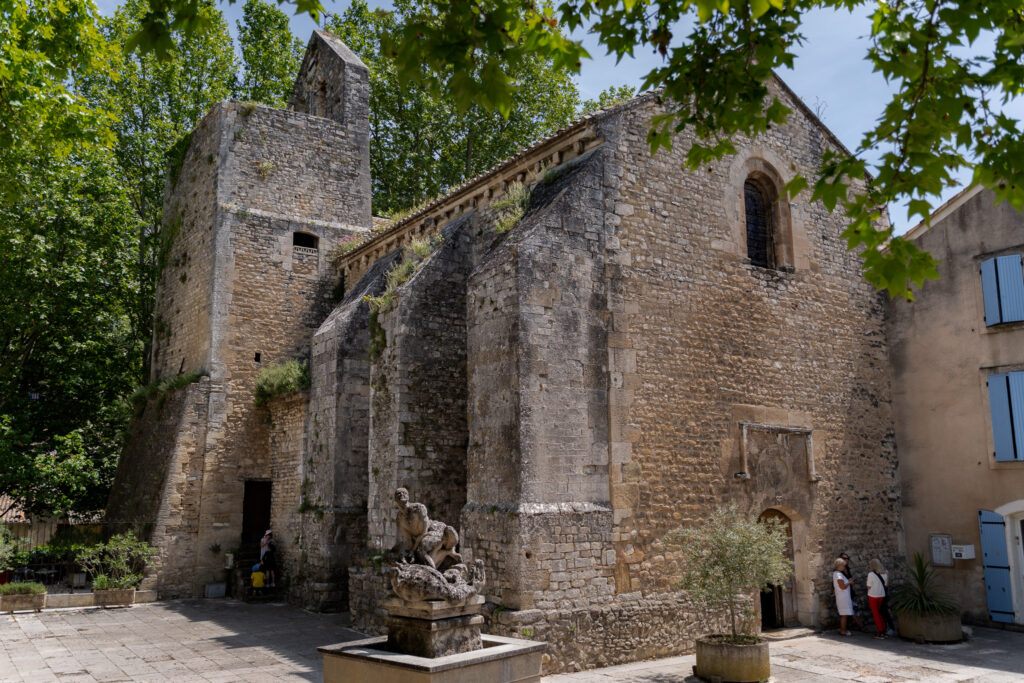
As you explore, you’ll come across several points of interest in Fontaine de Vaucluse, including Place de la Colonne with a granite column honoring Petrarch, the elegant Town Hall, and the 11th-century Saint-Véran Church – modest, calm and quietly beautiful.
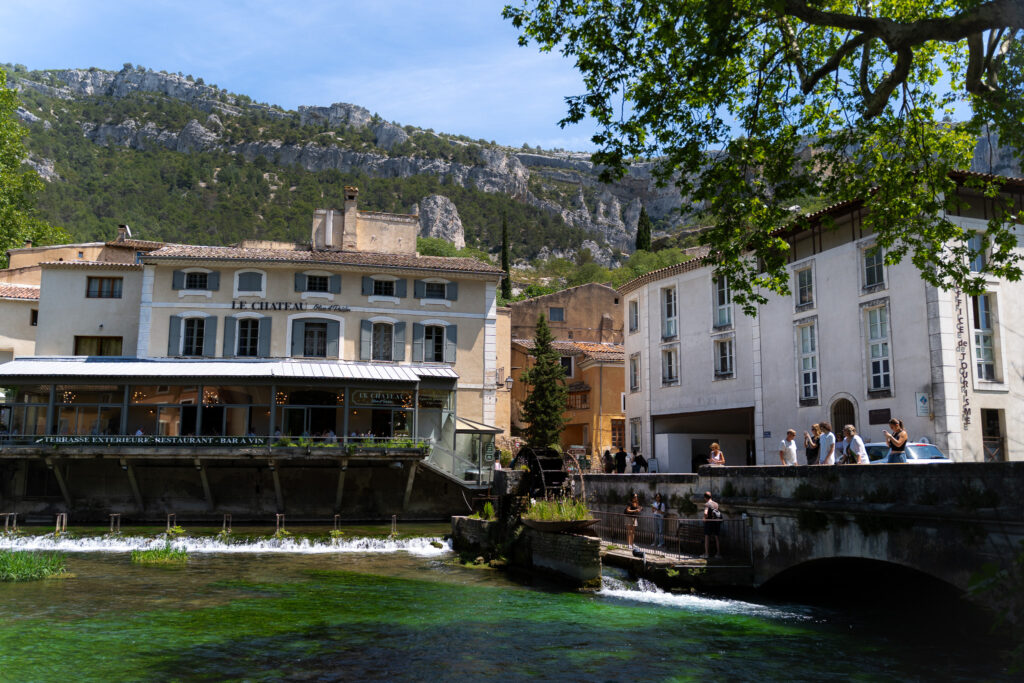
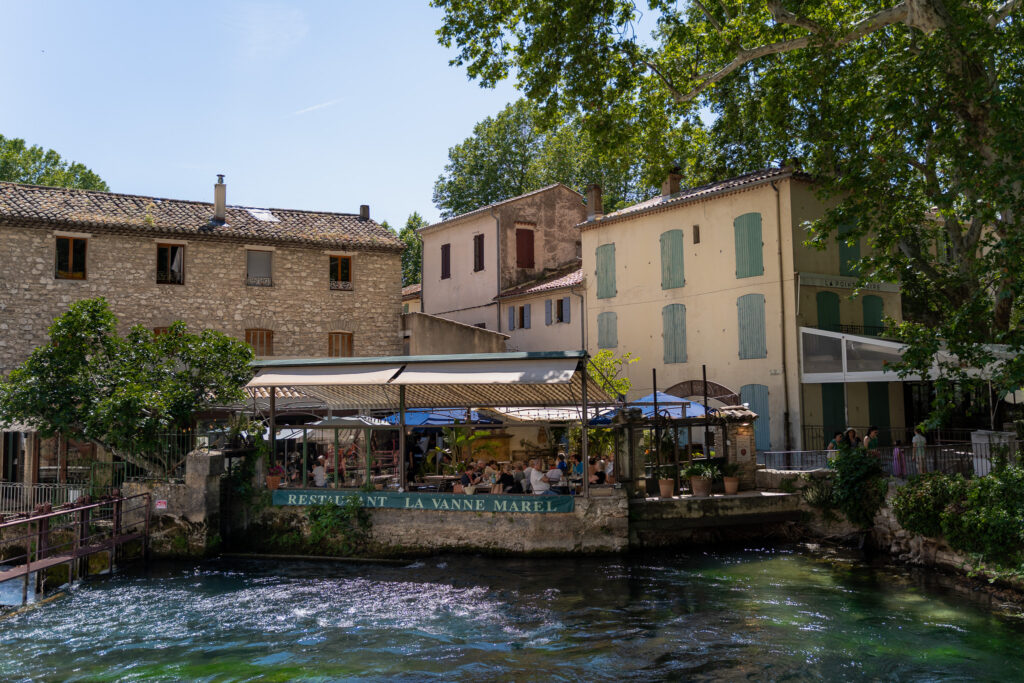
Along the riverside, you’ll find several inviting restaurants and cafes with shaded terraces overlooking the crystal-clear waters of the Sorgue. It’s one of the best spots in Provence to sit down, enjoy a meal, and just watch the river flow by.
Fontaine de Vaucluse Tourist Office is located on Route de Cavaillon, right next to Place de la Colonne. It’s a convenient stop to pick up a map and gather helpful sightseeing information.
Museums in Fontaine de Vaucluse
For such a small village, Fontaine de Vaucluse has a surprisingly good selection of museums. Besides the already mentioned Paper Mill, here you’ll find gems like:
- Francesco Petrarca Museum-Library – located on the site of his former home, this museum showcases items related to the poet’s life and work, as well as pieces by other artists. To learn more about prices and opening hours, visit the vaucluse.fr website.
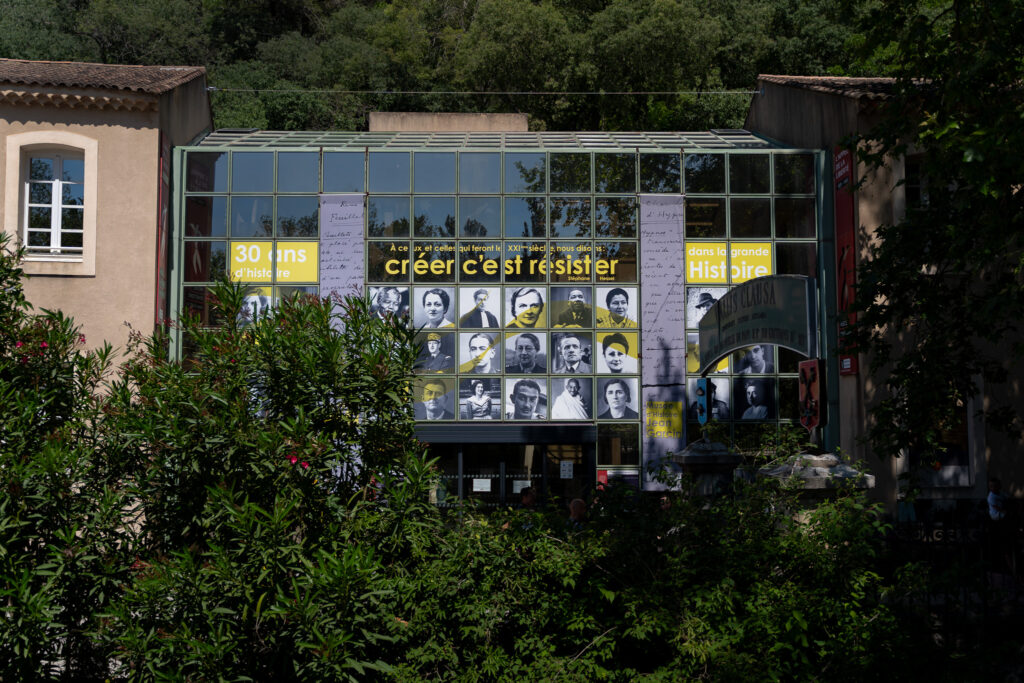
- Jean Garcin 39-45 History Museum – museum documenting life in France during the German occupation in World War II. Named after Jean Garcin, a local Resistance fighter, it offers a sober and informative look at that period of history. To learn more about prices and opening hours, visit the vaucluse.fr website.
- Underground World Museum – this museum will take you on a journey through underground caves, stalactites, and geological formations. It features the collection of famous cave explorer Norbert Casteret. To learn more about prices and opening hours, visit the moulin-vallisclausa.com website.
Exploring these museums is a great way to dive deeper into the village’s history and culture, and one of the more enriching things to do in Fontaine de Vaucluse.

Ruins of Bishops of Cavaillon Castle
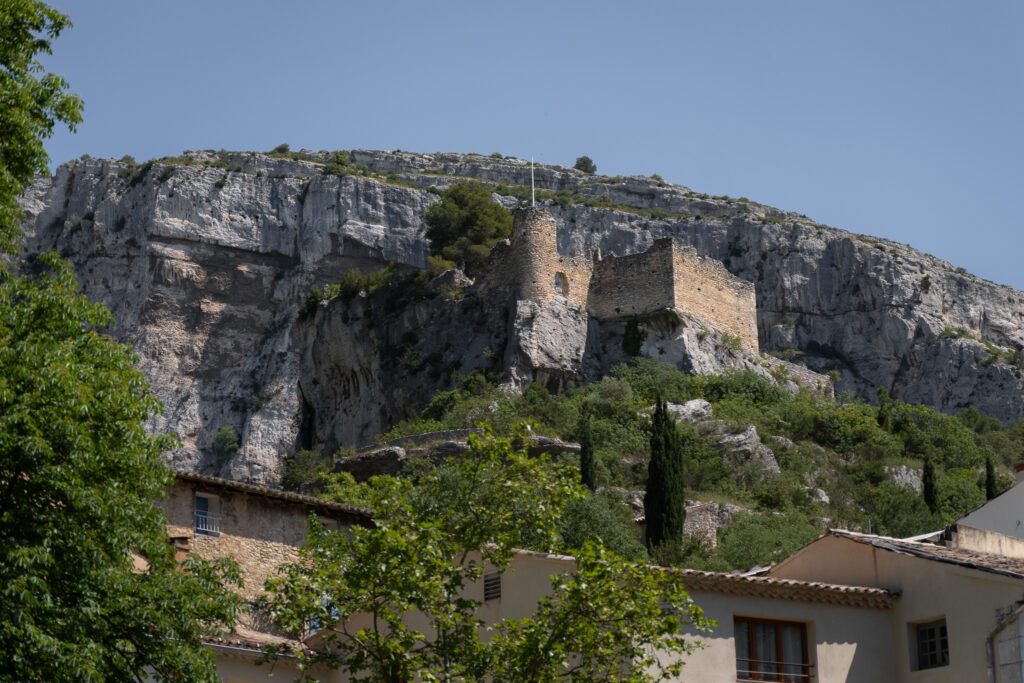
If you’re up for a short hike, the ruins of the Bishops of Cavaillon Castle (fr. Château des Évêques de Cavaillon) are well worth the effort. This 14th-century fortress sits on a rocky outcrop high above the village and can be spotted from almost anywhere in Fontaine de Vaucluse.
Reaching the castle takes about 15 minutes on foot from the village center. While the hike is short, it’s quite steep, so make sure to wear comfortable shoes. The castle itself is mostly in ruins, but the real reward is the breathtaking panoramic view of the village, the valley, and the surrounding landscape. Best of all, it’s free to visit!
Galas Aqueduct Bridge
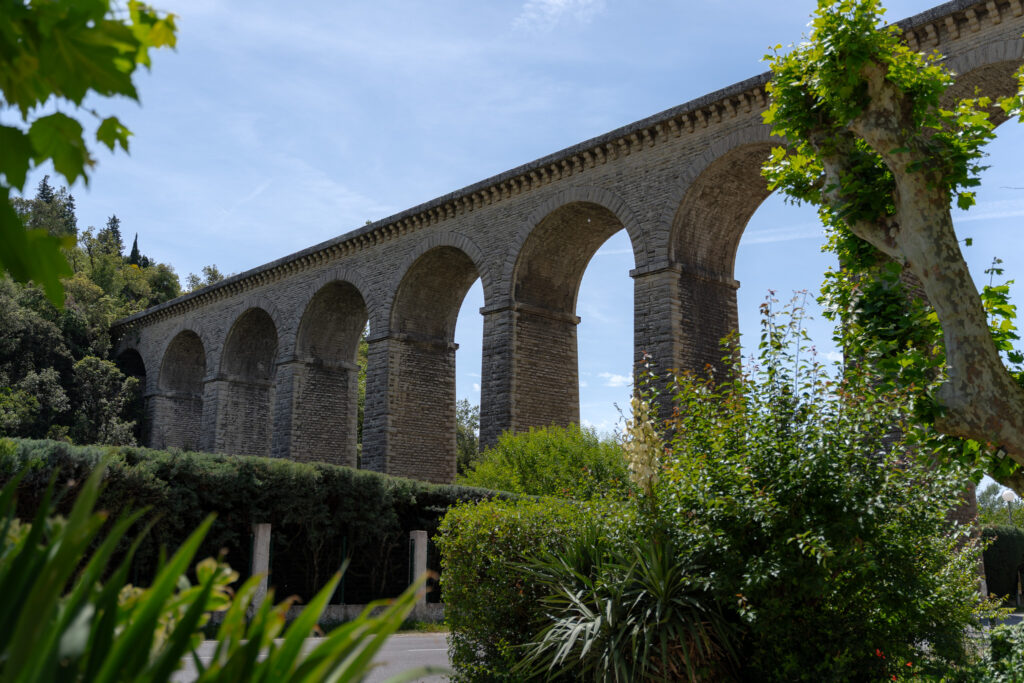
Just downstream from the village, you’ll spot the impressive Pont-Aqueduc de Galas – a 19th-century multi-arched aqueduct stretching across the valley. With its elegant stone arches set against the natural landscape, it makes for a fantastic quick photo stop during your visit to Fontaine de Vaucluse.
Galas Aqueduct Bridge also serves as a reminder of how the waters of the Sorgue have been carefully harnessed and channelled throughout the centuries, supporting life and local industry in the region.
Fontaine de Vaucluse surroundings
Fontaine de Vaucluse. also makes a great base for exploring nearby gems in Provence. Whether you’re craving history, nature, charming villages, or a glass of fine local wine, there are countless wonderful places to visit near the town that are perfect for day trips.
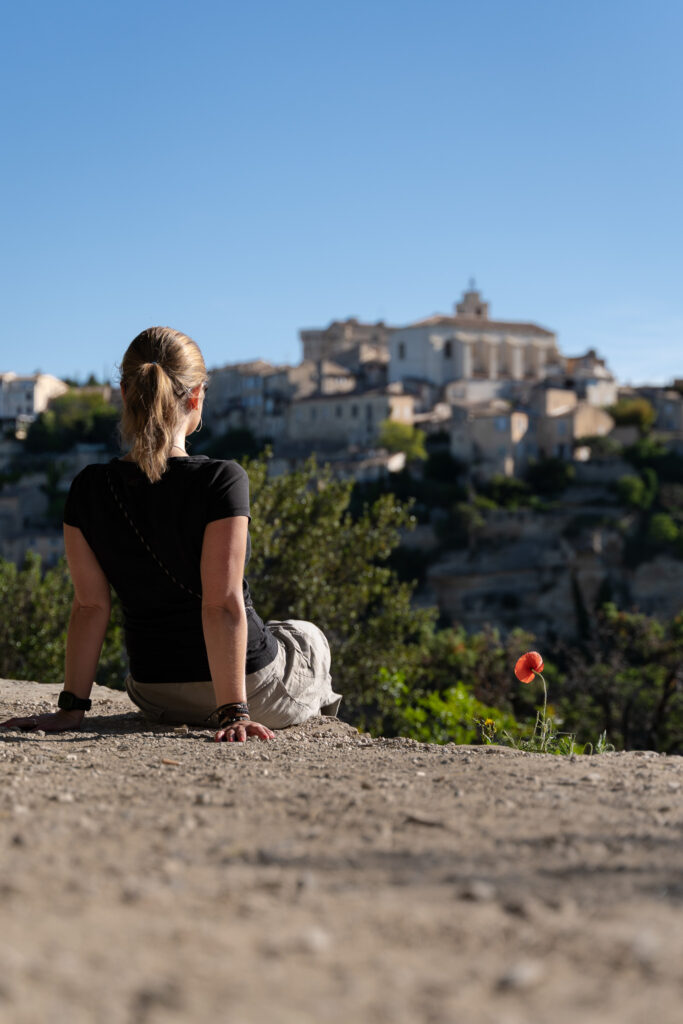
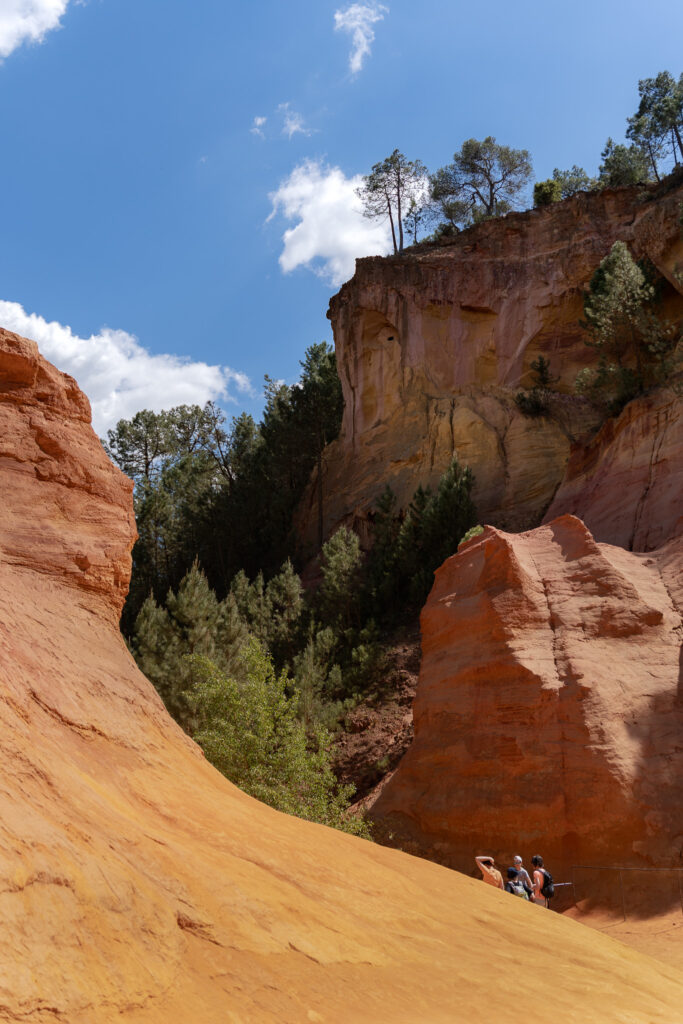
Just a short drive away, you’ll find many picturesque Provencal villages such as L’Isle-sur-la-Sorgue, Bonnieux, Gordes, Roussillon, or Lacoste. The vibrant city of Avignon is also very close and makes for a fantastic cultural day trip. If you have more time, Aix-en-Provence and even Marseille are still easily reachable and offer a completely different side of southern France.

Explore local attractions
How to get to Fontaine de Vaucluse, France?
Fontaine de Vaucluse is located about 10km from L’Isle-sur-la-Sorgue, 25km from Gordes, 30km from Roussillon, and 40km from Avignon. The most convenient way to get to Fontaine de Vaucluse is by car.
Where to park in Fontaine de Vaucluse?
All parkings in Fontaine de Vaucluse are paid, and you’ll find them at the entrance to the village along the main road. We left our car in Parking des Vergnes, just a short walk from the village centre. During high season, they fill up very quickly, so remember to arrive early in the morning.

To Fontaine de Vaucluse by public transport
Public transport to Fontaine de Vaucluse is limited and the trip might be long, even from the nearby towns. There is no train station in the village so the fastest way of getting directly to the village is by bus.
Overall, your best option will be to take a train or bus to L’Isle-sur-la-Sorgue and from there take a bus or taxi for the remaining 10km. To learn more about bus connections that might interest you, visit the regional transport website Zou or rome2rio.com website.
Camping Fontaine de Vaucluse
If you’re traveling by camper, places like Camping Coucourelle Pernes or Camping Clicochic might interest you. They are located not far from L’Isle-sur-la-Sorgue.
Fontaine de Vaucluse, France – Summing up
All in all, Fontaine de Vaucluse is one of those places that feels effortlessly special. It might not be the most famous village in Provence, but that’s exactly part of its charm. With its natural beauty, peaceful atmosphere, and Provençal atmosphere, it’s the kind of place that invites you to slow down and simply enjoy the moment.
If you’re exploring the region, don’t miss the chance to experience this hidden gem for yourself. It may be small, but it truly leaves a lasting impression. Enjoy your trip & bon voyage!
Our opinion about Fontaine de Vaucluse
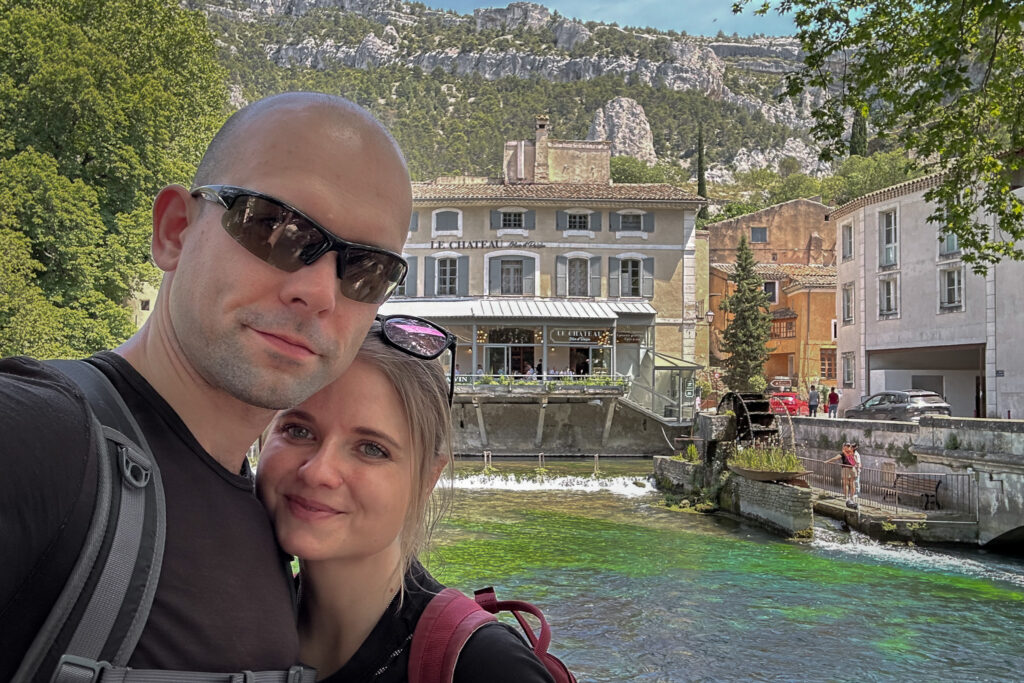
For us, a visit to Fontaine de Vaucluse was a day trip from nearby Orgon, where we lived for a few weeks. We combined it with a visit to the nearby L’Isle-sur-la-Sorgue in late May on a very warm and sunny Sunday. During that time, Fontaine de Vaucluse was very busy with other visitors and exploring the village took us about 2 hours.
In our opinion, the walk to the source of the Sorgue is the absolute highlight and alone makes the trip worthwhile. We also enjoyed visiting the Paper Mill – it’s a unique place worth stopping in for a moment. The village itself was pleasant too, offering just enough to keep us engaged before hiking to the spring.
What we didn’t particularly enjoy were the souvenir shops lining the first part of the walk to the source. However, once you pass this section, the path quickly becomes much more peaceful and scenic, turning into a truly beautiful riverside stroll.
Restaurants, accommodations, and map
Check out various recommended places below.
Where to eat in Fontaine de Vaucluse?
Here are your best, high-rated options in Fontaine de Vaucluse: