
Bonjour! Welcome to Orange, a small yet fascinating hidden gem in Provence. At first glance, it may seem quiet and unassuming, but don’t let that fool you! Orange is home to some of the best-preserved Roman monuments in France, along with a charming old town and a relaxed southern vibe. And if you’re up for a little adventure, the nearby hilltop Fortress of Mornas offers breathtaking views and a glimpse into medieval times. Whether you’re planning a quick stop or a slower visit, Orange is a place that might just surprise you. Now, let us show you the best things to do in Orange, France.


This website uses affiliate links thanks to which we may earn a commission for purchases you made at no additional cost to you. If you like the content, consider using those links to support us. Thank you!
Orange, France FAQ
Orange is located in the Provence-Alpes-Côte d’Azur region in France, within the Vaucluse department. It’s only about 25km north of Avignon, making it the perfect destination for a half-day trip or an easy stop on any Provence itinerary.
Yes, Orange is definitely worth visiting – especially if you enjoy history and less touristy places. It might not be the first place that comes to mind when planning a trip to Provence but it offers incredibly well-preserved Roman landmarks, a relaxed atmosphere, and an authentic local feel. Orange is one of those places that can surprise you in the best way.
Orange is best known for its two exceptional Roman monuments – the Roman Theatre and the Triumphal Arch, both listed as a UNESCO World Heritage Site.
You can easily see all the main attractions of Orange in just one day, including a visit to the nearby Fortress of Mornas or wine tasting in Chateauneuf-du-Pape. However, if you want to get to know Orange better and fully appreciate its charm at a slower pace, we recommend staying for at least two days.
Things to do in Orange, France
Roman Theatre of Orange
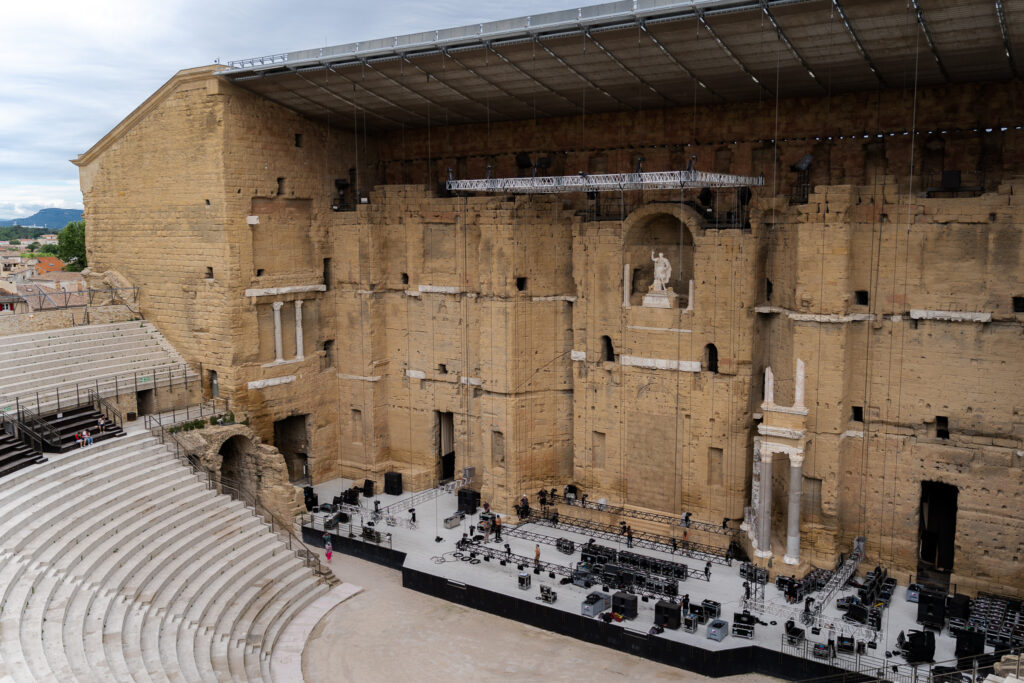
The Roman Theatre of Orange (fr. Théâtre antique d’Orange) was built in the 1st century AD during the reign of Emperor Augustus. Today, it’s considered one of the best-preserved Roman theatres in the world and is listed as a UNESCO World Heritage Site. We can confirm – it’s truly spectacular and visiting it is unquestionably the number one thing to do in Orange.
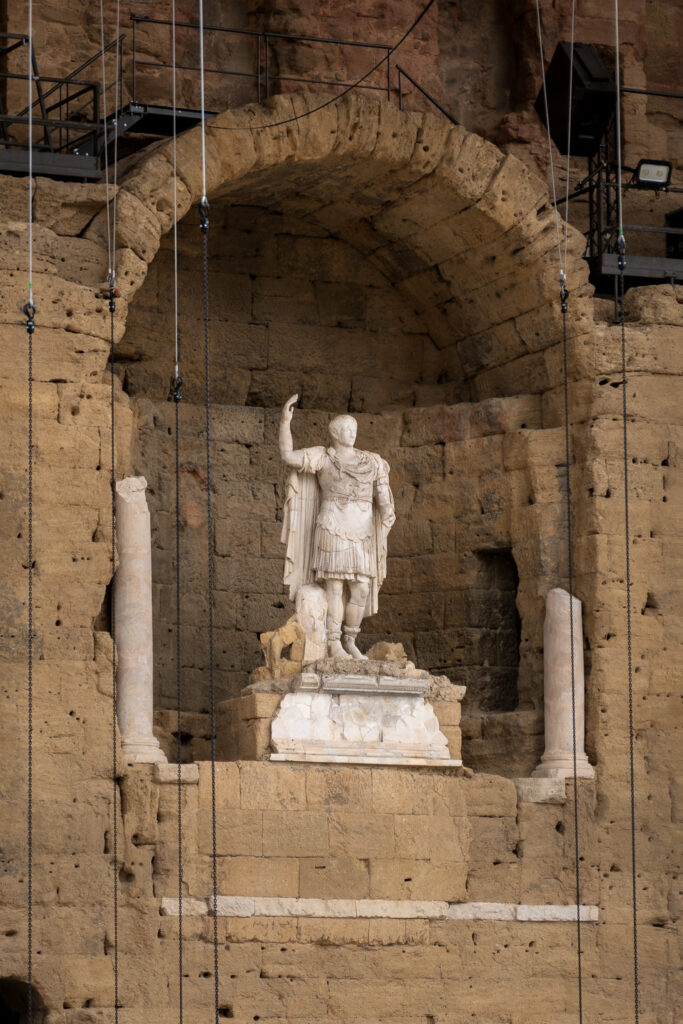
What makes it so special is its monumental stage wall, measuring 103 meters wide and 37 meters high. It still features a statue of Emperor Augustus in a central niche, watching over the stage. In its heyday, the Roman Theatre of Orange could seat around 9000 spectators. And today, you can climb the tiered seating for different perspectives.
Entrance to the Roman Theatre of Orange costs €11.50 for adults, €9.50 for children 7-17 and students, and is free for children under 7. Price includes the audioguide and access to the Museum of Art and History. For current prices, opening hours, and online tickets, visit the theatre-antique.com website.
Interesting fact. If you’re exploring the Valencia Region in Spain, don’t miss a visit to Sagunto Roman Theatre, where you can explore almost identical Roman Theatre!
Museum of Art and History
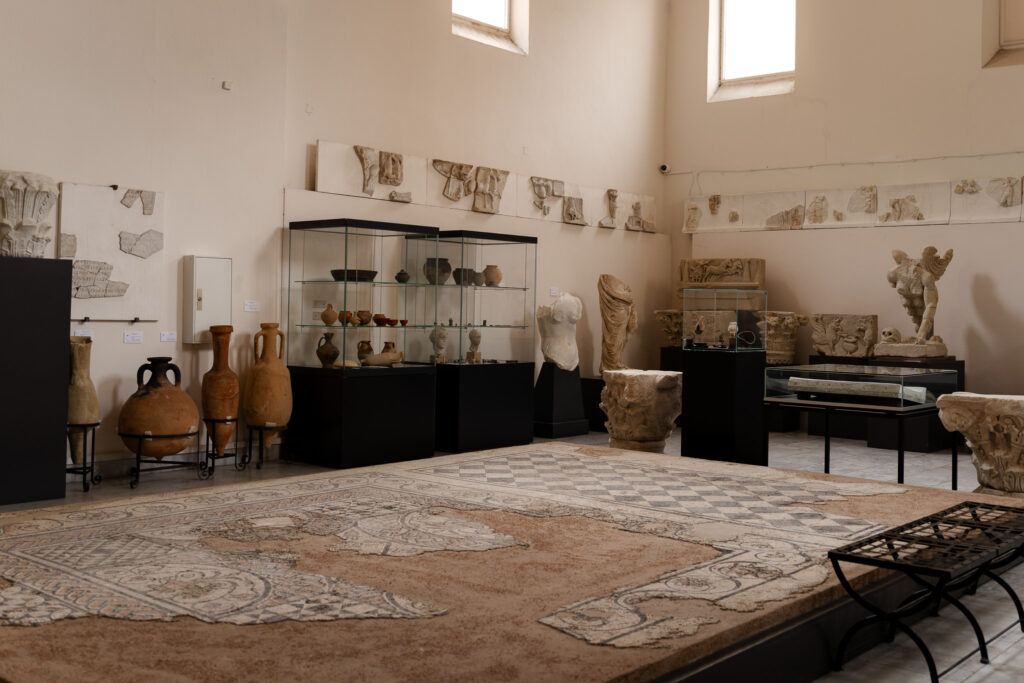
Located right across from the Roman Theatre, the Museum of Art and History (fr. Musée d’Art et d’Histoire) is housed in a beautiful 17th-century mansion. It’s a great place to visit in Orange if you want to better understand the town’s rich past.
The collection features archaeological finds from the Roman period, including mosaics, sculptures, documents, and everyday objects. The museum also showcases exhibits from the medieval era, as well as works by regional artists.
Entrance to the Museum of Art and History is included with your ticket to the Roman Theatre. For current opening hours, visit the theatre-antique.com website.

Triumphal Arch of Orange
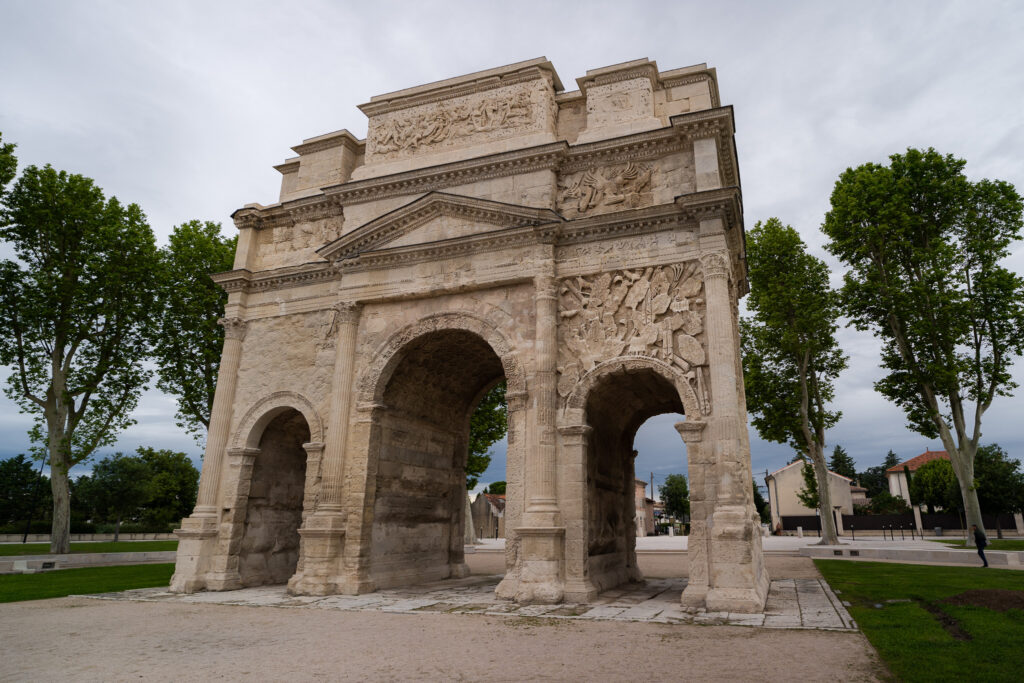
The second iconic Roman monument in Orange is the Triumphal Arch (fr. Arc de Triomphe d’Orange). It’s located on the northern edge of the old town and today sits in the middle of a roundabout. The Arch was built in the 1st century AD, which makes it one of the oldest and best-preserved Roman triumphal arches in existence. It’s also listed as a UNESCO World Heritage Site.
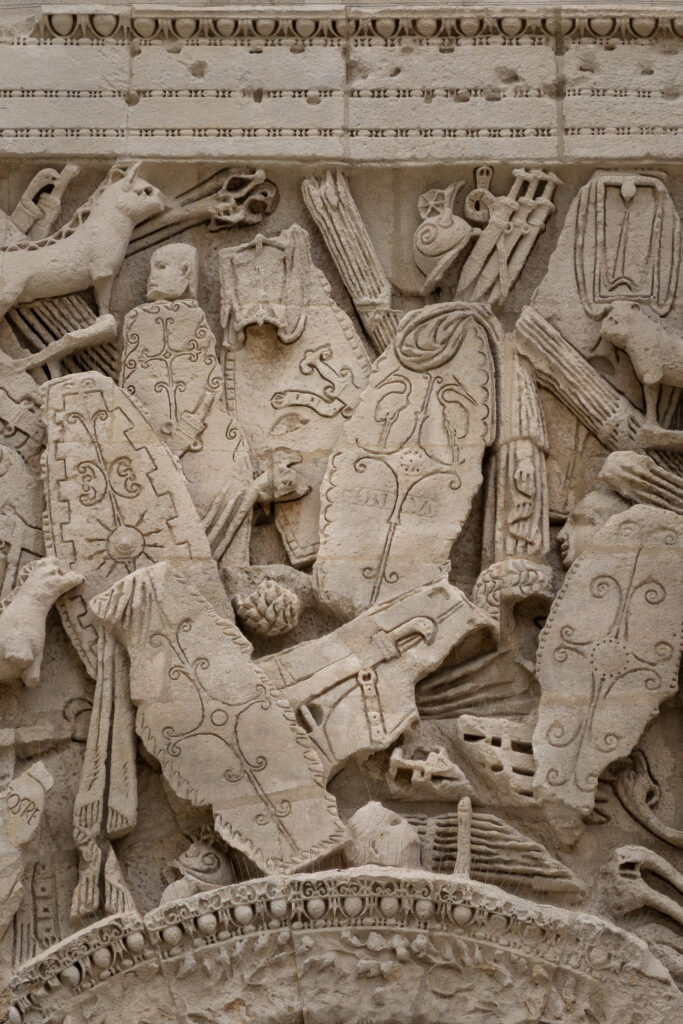
Standing approximately 19.5 meters high and 8.4 meters wide, the Triumphal Arch of Orange was originally built to honor the veterans of the Second Gallic Legion and to celebrate Roman military victories. Take a moment to admire the detailed carved reliefs depicting battle scenes, naval elements, and captured arms.
The Triumphal Arch is free to visit and can be admired at any time of the day. Without a doubt, seeing it up close is one of the best things to do in Orange, France – don’t miss it!
Orange old town streets
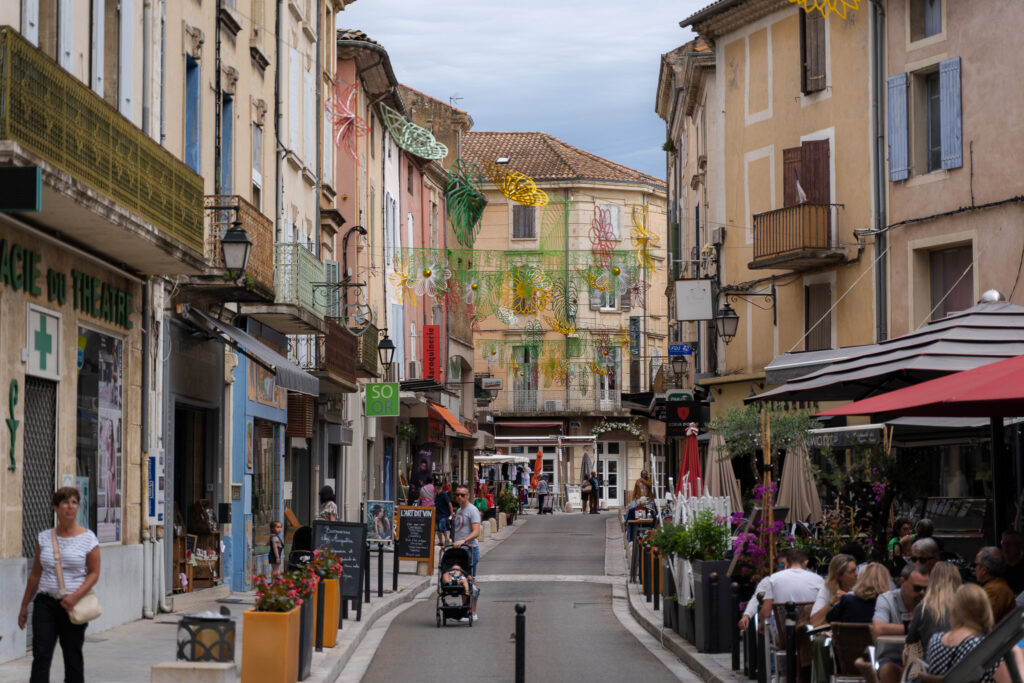
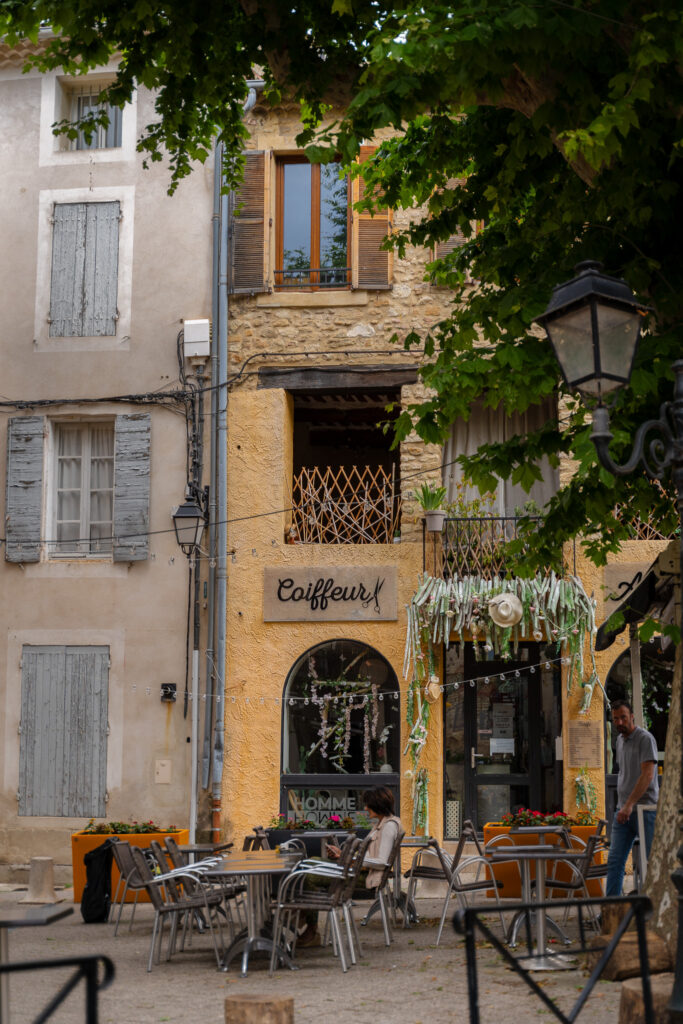
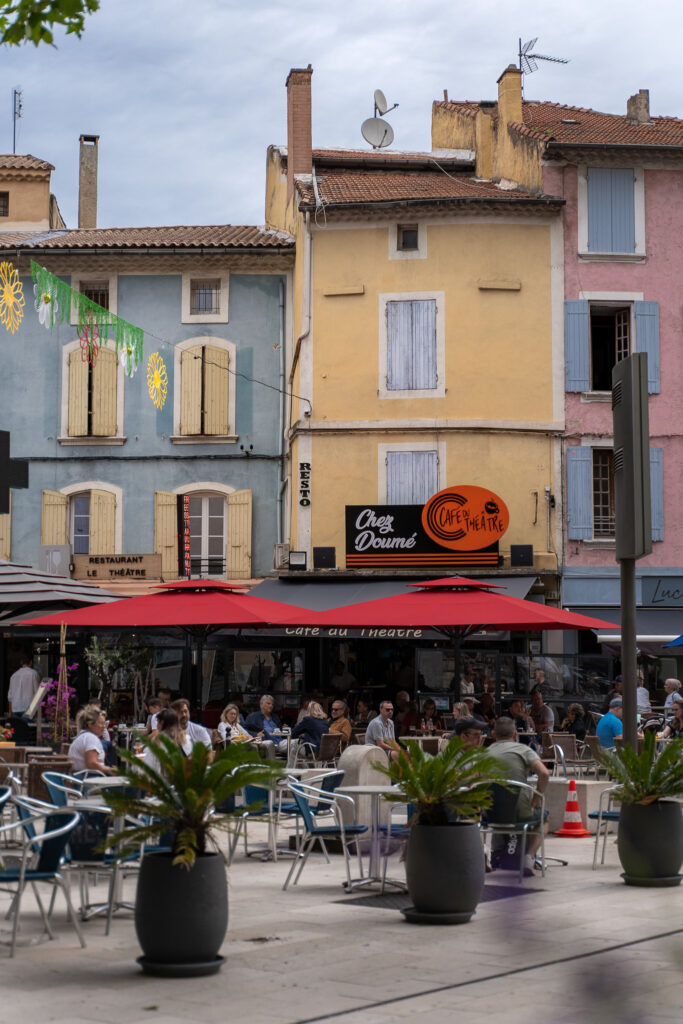
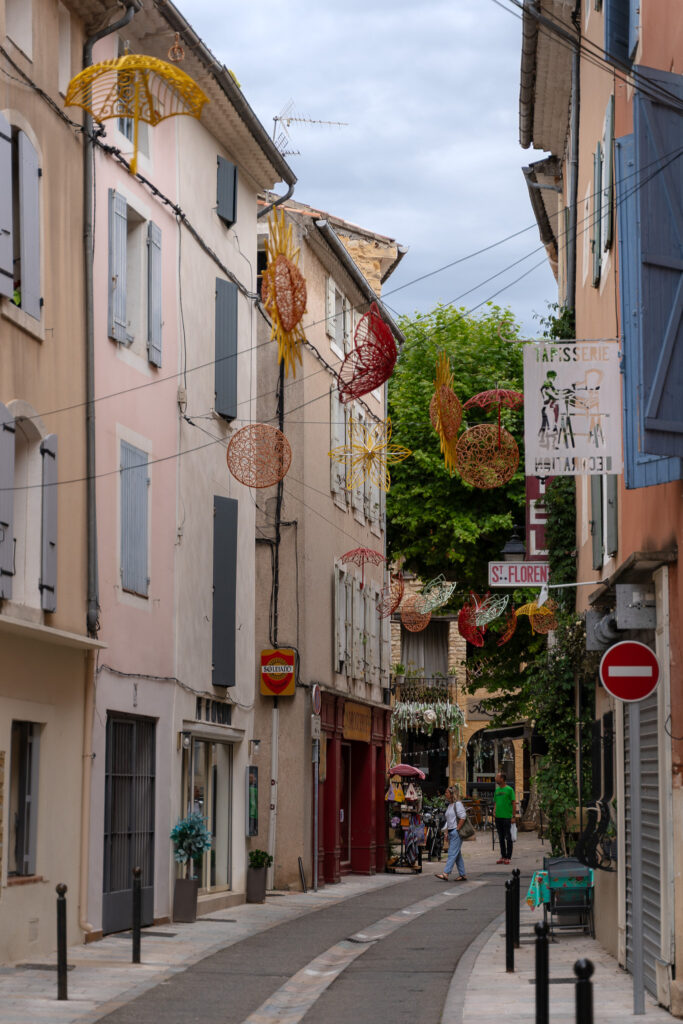
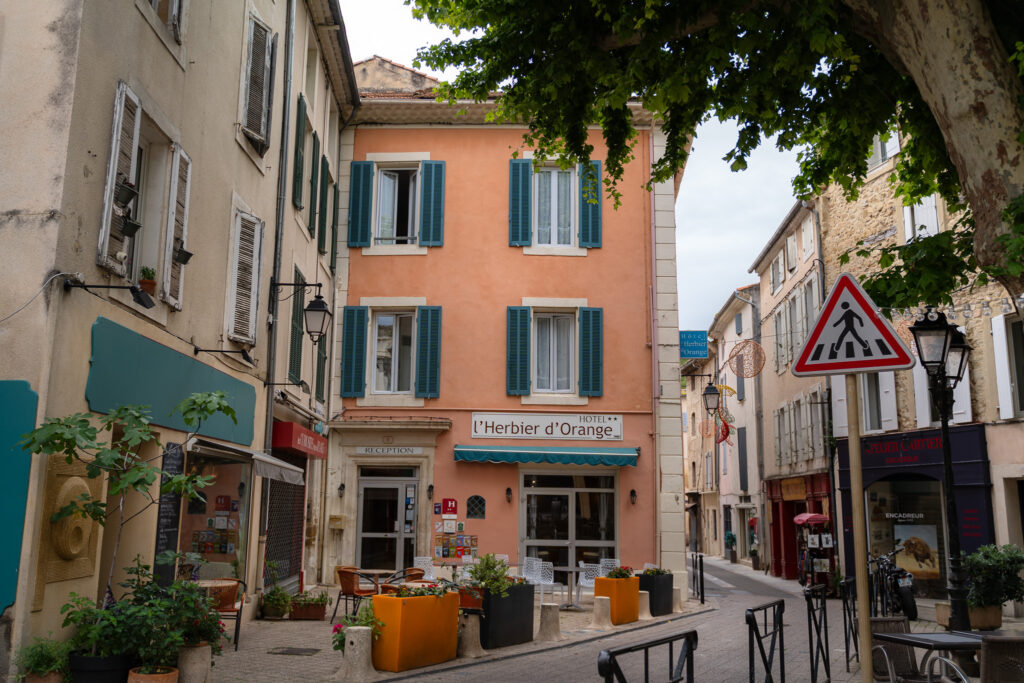
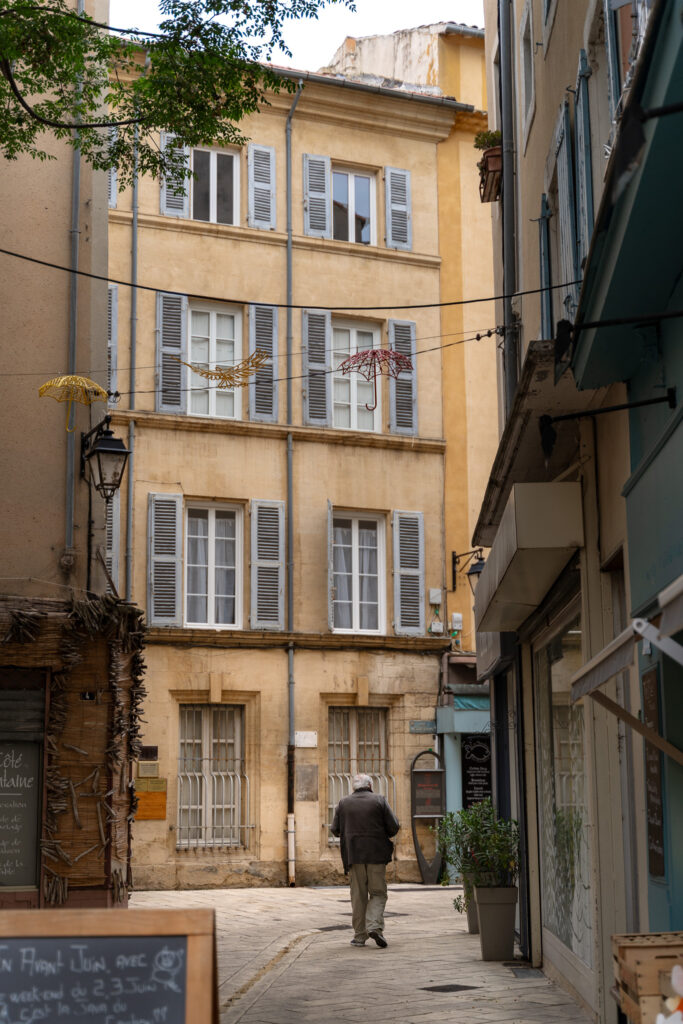
Although Orange is best known for its Roman monuments, the old town is just as pleasant to explore. Narrow streets lined with pastel-painted Provencal buildings, cozy squares with fountains, small boutiques, art galleries, and plenty of cafés and restaurants create a lovely atmosphere for a leisurely stroll. Wandering around is easily one of the most enjoyable things to do in Orange.
In Orange Old Town, you’ll find key attractions such as the Roman Theatre, Triumphal Arch, Museum of Art and History, the 12th-century Cathedral of Our Lady of Nazareth, 14th/15th-century Saint-Florent Church, and the 17th-century Town Hall.
Also, don’t miss the charming squares of Place de la République, Place des Frères Mounet, Place aux Herbes, and Place Georges Clémenceau. All are perfect for a relaxing break with delicious Provençal dishes and local wines.
Orange Tourist Office is located on Cours Aristide Briand, just a few steps from the Roman Theatre and the old town area. It’s a great place to pick up maps and get helpful sightseeing tips.


Colline Saint-Eutrope
For the best views of Orange and its surrounding landscape, head up Colline Saint-Eutrope. This 105-meter-high hill rises directly behind the Roman Theatre. It’s a short and easy walk from the old town and well worth the effort. You can’t skip this place, especially if you’re looking for one of the most scenic things to do in Orange.
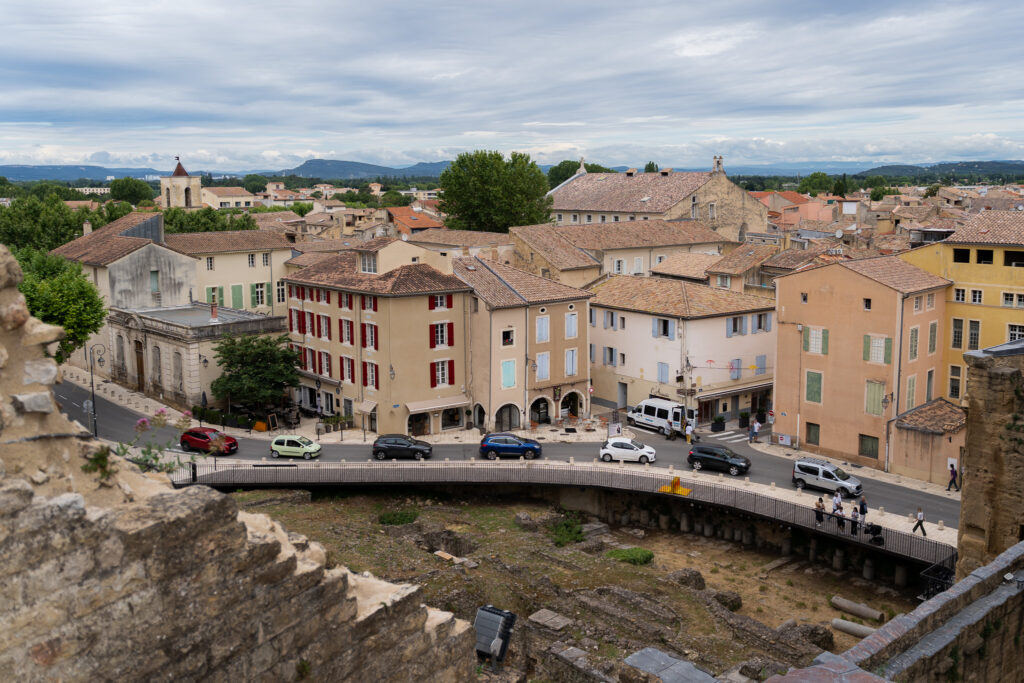
From the top, you’ll be rewarded with stunning views stretching from the Rhône Valley to Mont Ventoux in the distance. Looking down, you’ll get a bird’s eye view of the Roman Theatre. On the hill you’ll also find a pleasant park with walking paths, children’s play areas, a botanical circuit, and ruins of the castle of the Princes of Nassau.

Orange surrounding area
Orange also makes a great base for exploring nearby gems in Provence. Whether you’re interested in history, nature, or a glass of fine wine, there are many places to visit near Orange that can easily fill your itinerary with unforgettable experiences.
Just a short drive away, you’ll find the impressive Fortress of Mornas, a medieval stronghold perched on a 137-meter-high hill. If you’re a wine lover, you’ll definitely enjoy a visit to Châteauneuf du Pape, famous for its world-class vineyards and renowned wines.
You’ll also be within easy reach of fascinating historic cities like Avignon or Nimes, as well as picturesque Provençal villages such as Roussillon and Gordes. Another must-see nearby is the Pont du Gard, a spectacular UNESCO-listed Roman aqueduct.


Explore local attractions
How to get to Orange, France?
Orange is located about 30km from Avignon, 60km from Nimes, and 100km from Montpellier or Aix-en-Provence. The most convenient way to get to Orange is by car or train.
Where to park in Orange?
In Orange we recommend leaving a car in one of the city’s paid parking lots, like Parking Arc de Triomphe or Parking Roman Theater, both located in a very convenient place in the historic centre. If you plan to stay longer in Orange, we recommend booking a hotel or apartment with a designated parking space.
To Orange by train
You can also get to Orange by train, especially from other big cities. For example, a trip from Avignon will take 25 minutes, 1 hour 50 minutes from Marseille, and 2 hours from Montpellier. To learn more about connections that might interest you visit sncf-connect.com or rome2rio.com website.
Note. Orange train station is located about 15 minutes’ walk from the Roman Theatre.
To Orange by bus
You can also get to Orange by bus. For example, the trip from Avignon will take 50 minutes, 2.5 hours from Nimes, and 3 hours from Marseille. To learn more about bus connections that might interest you visit rome2rio.com or Flixbus website.
Camping Orange
If you’re traveling by camper, places like Camping la Pinéde en Provence or Lodges & Nature Camping might interest you. They are located in or close to Orange.
Things to do in Orange, France – Summing up
And that’s a wrap on our favorite things to do in Orange. It may not be the most famous destination in Provence, but it’s definitely one that leaves a lasting impression. With its incredible Roman heritage, panoramic views, relaxed atmosphere, and nearby gems, it’s a place that feels unique and authentic.
Whether you’re a history buff, a wine lover, or simply someone who enjoys discovering less touristy places in France, Orange won’t disappoint. We hope this guide helps you plan your visit. Enjoy!
Our opinion about Orange
For us, a visit to Orange was a day trip from nearby Orgon where we lived for a few weeks. We combined it with a visit to the nearby Fortress of Mornas. We visited in late May, and during that time the town was pleasantly calm and free from big tourist crowds. Exploring everything we wanted in Orange took us about 4 hours.
Overall, we really enjoyed our time in Orange. What impressed us most was the Roman Theatre – it exceeded our expectations and made our jaws drop! The Orange old town was also pleasant to explore, although in our opinion it’s not as charming as some other Provencal towns. We also really enjoyed visiting the Fortress of Mornas – it was a great complement to our day trip.

Restaurants, accommodations, and map
Check out various recommended places below.
Where to eat in Orange?
Here are your best, high-rated options in Orange: